


Education
Necklace Length Chart
Use our necklace length chart to see where 14 to 36 inches sits. Learn how to measure, compare 16 vs 18 inch necklaces and pick a length for any pendant.
Read articleEducation
Find your fit with our bracelet size chart. Measure your wrist at home, add the right allowance for a snug, comfortable or loose fit and size a tennis bracelet.
Nov 4, 2026 · 4 min read · House of Diams
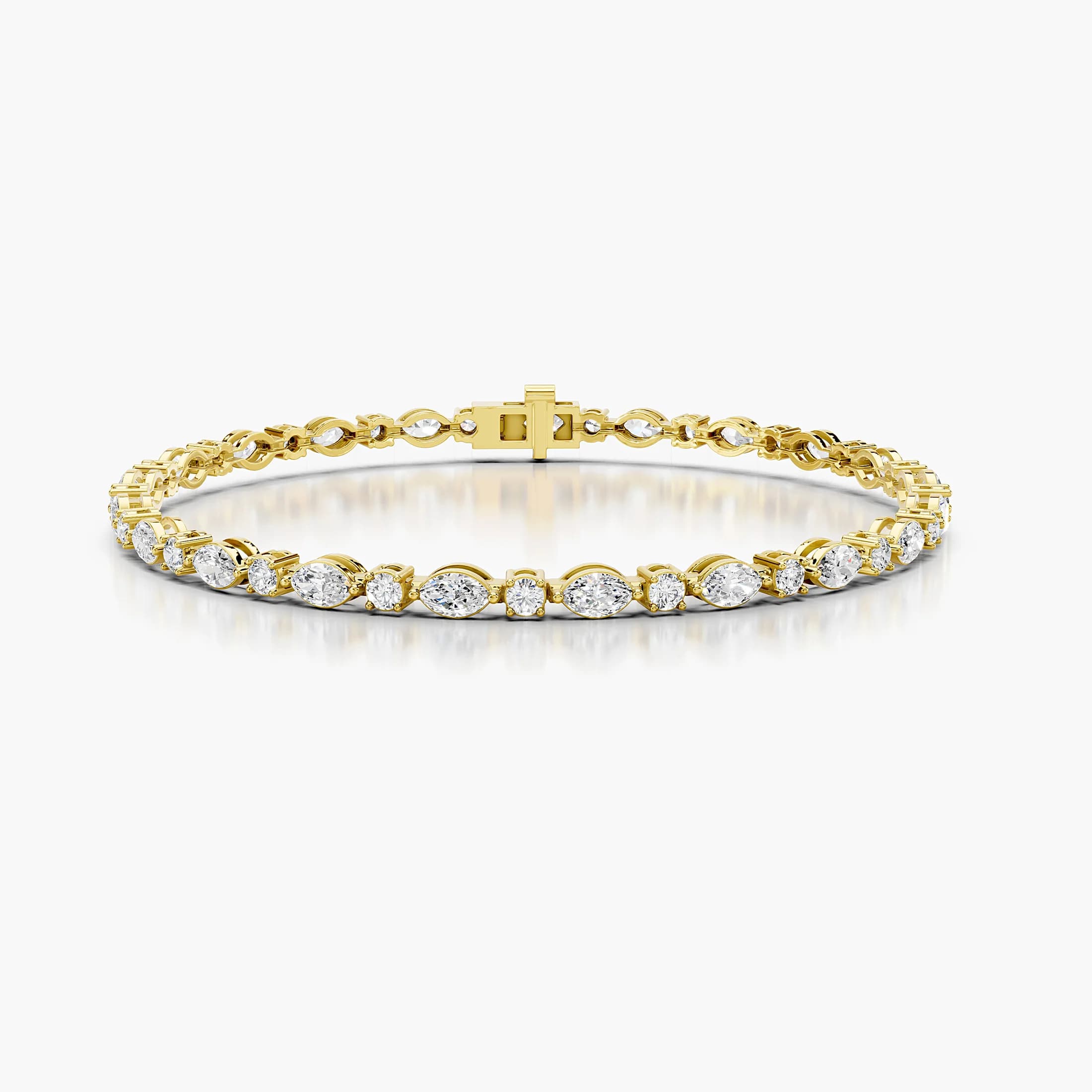
To find your bracelet size, measure your wrist and add about ½ inch for a comfortable fit. Add ¼ inch for a snug fit, or ¾ to 1 inch for a loose one. A 6-inch wrist, for example, usually wears a 6½-inch bracelet. Most women's bracelets are around 7 inches long.
Use the chart below to find your size, then follow the steps to measure at home.
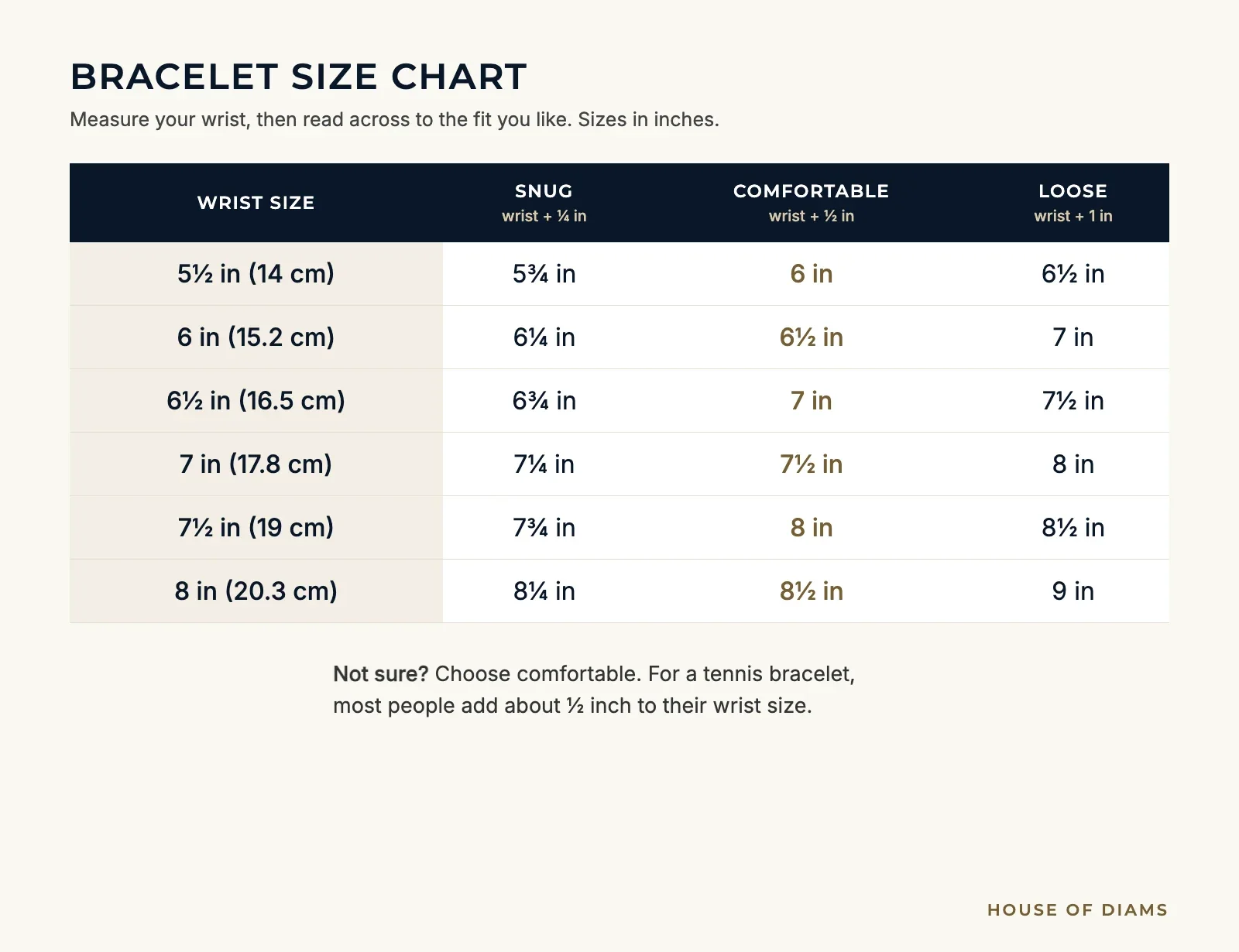
Find your wrist size, then read across to the fit you like:
5½ in (14 cm) wrist: snug 5¾ in, comfortable 6 in, loose 6½ in.
6 in (15.2 cm) wrist: snug 6¼ in, comfortable 6½ in, loose 7 in.
6½ in (16.5 cm) wrist: snug 6¾ in, comfortable 7 in, loose 7½ in.
7 in (17.8 cm) wrist: snug 7¼ in, comfortable 7½ in, loose 8 in.
7½ in (19 cm) wrist: snug 7¾ in, comfortable 8 in, loose 8½ in.
8 in (20.3 cm) wrist: snug 8¼ in, comfortable 8½ in, loose 9 in.
This is a guide, not an exact rule. Wide links take up more room around the wrist, so go up a little for chunky styles.
You need a soft tape measure. If you don't have one, a strip of paper or a piece of string works too.
Wrap it around your wrist. Go around just above the wrist bone, where a bracelet normally sits.
Keep it close, but not tight. It should lie flat against your skin.
Mark where it meets. Use a pen on the paper or string.
Measure the length. Lay it against a ruler and read it in inches or centimeters.
Add your fit allowance. ¼ inch for snug, ½ inch for comfortable, ¾ to 1 inch for loose.
Measuring a bracelet you already own? Lay it flat, close the clasp if you can, and measure from end to end, including the clasp.
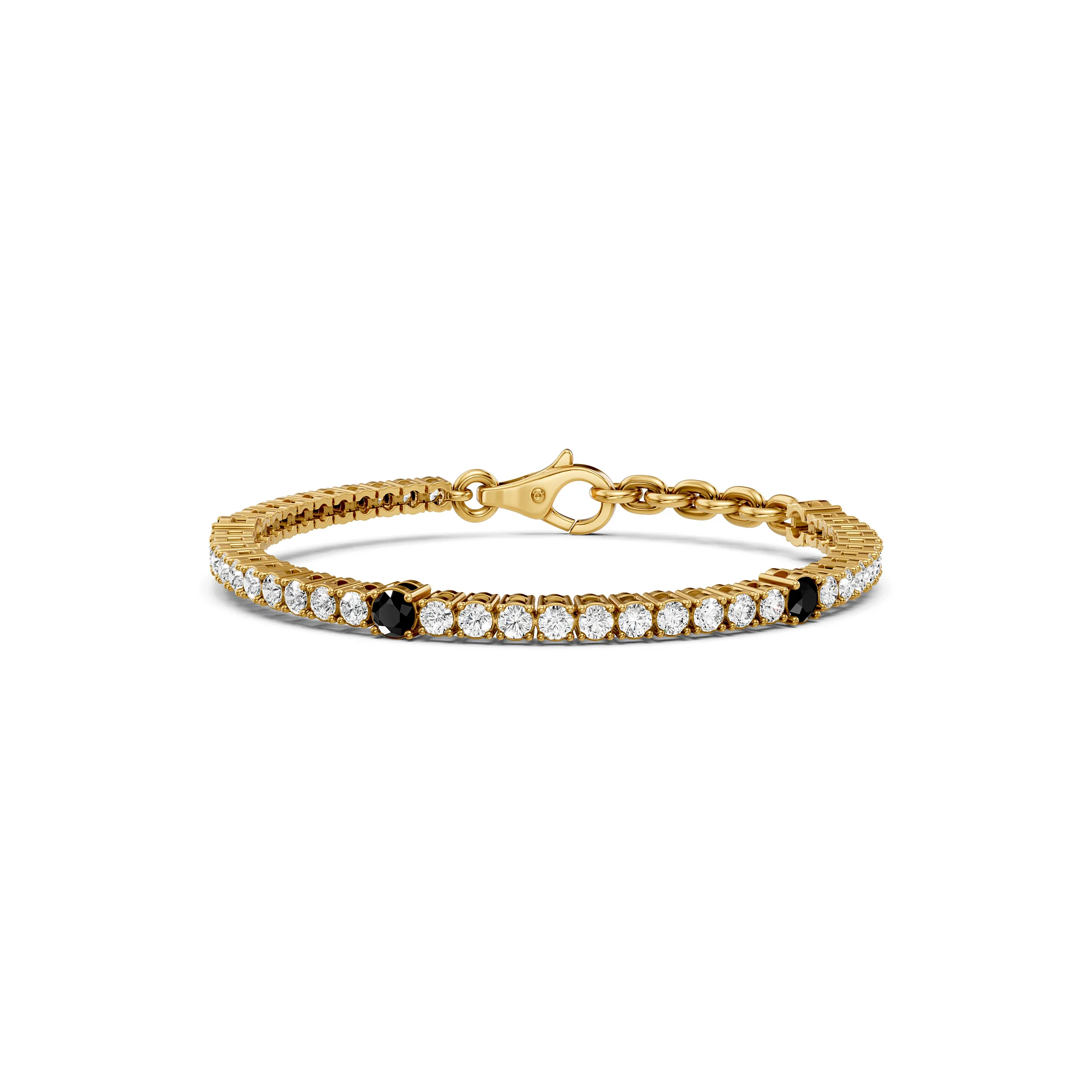
Snug. Sits close to the wrist and moves very little. Good for rigid or slim styles, if you prefer jewelry that stays put.
Comfortable. Moves a little without sliding far. This is the safest choice if you're unsure or buying a gift.
Loose. Slides along the wrist and drapes. Good for charm bracelets or a relaxed look.
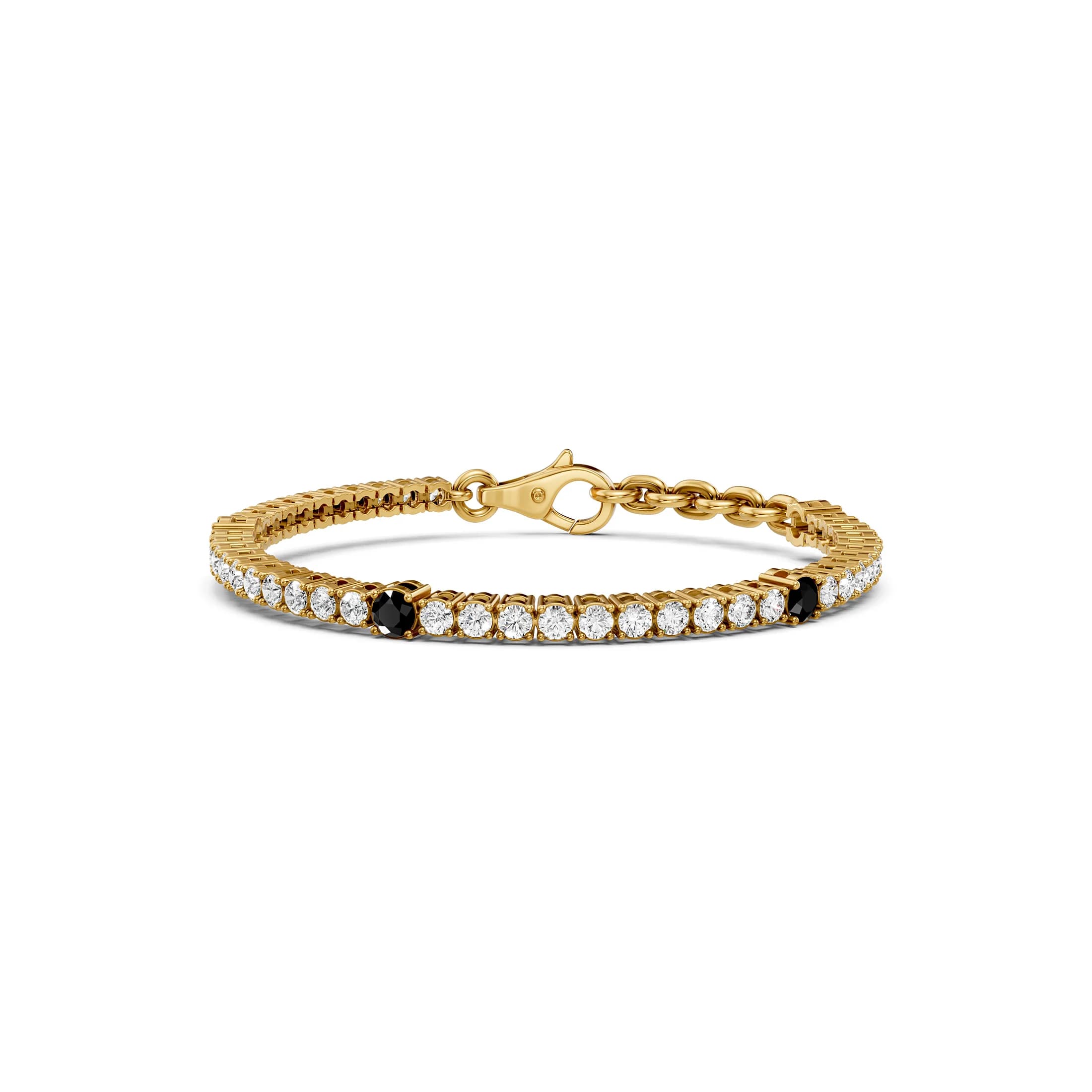
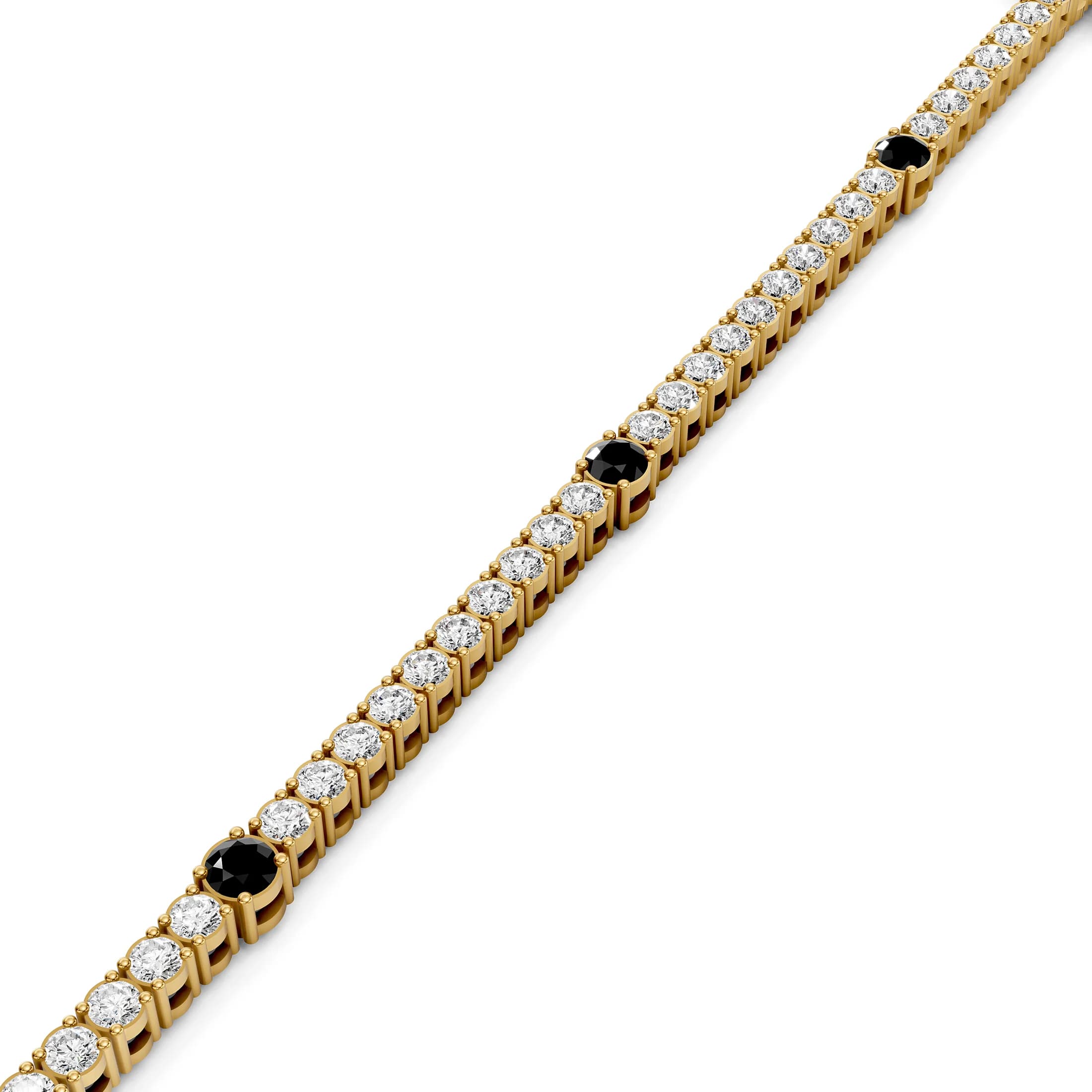
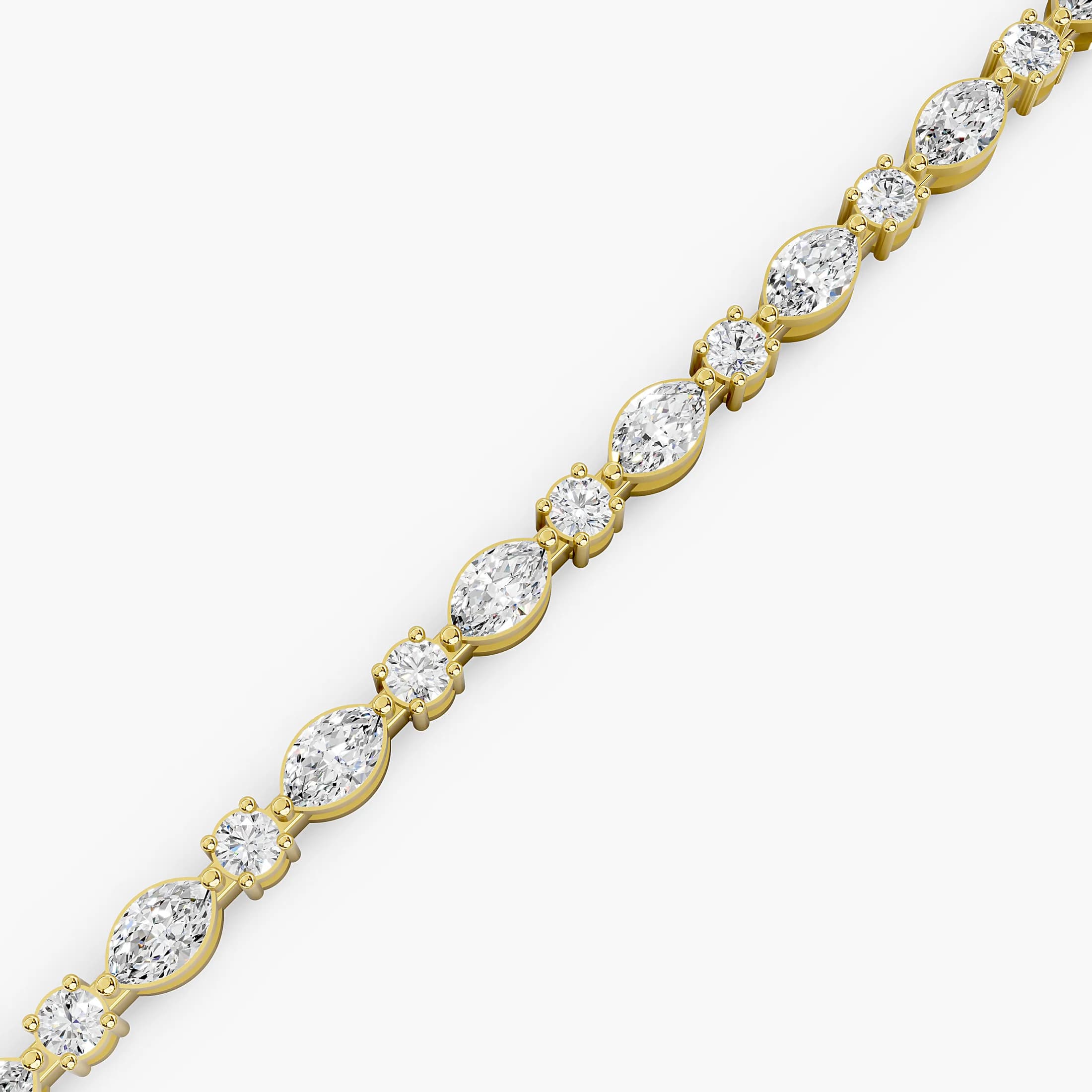
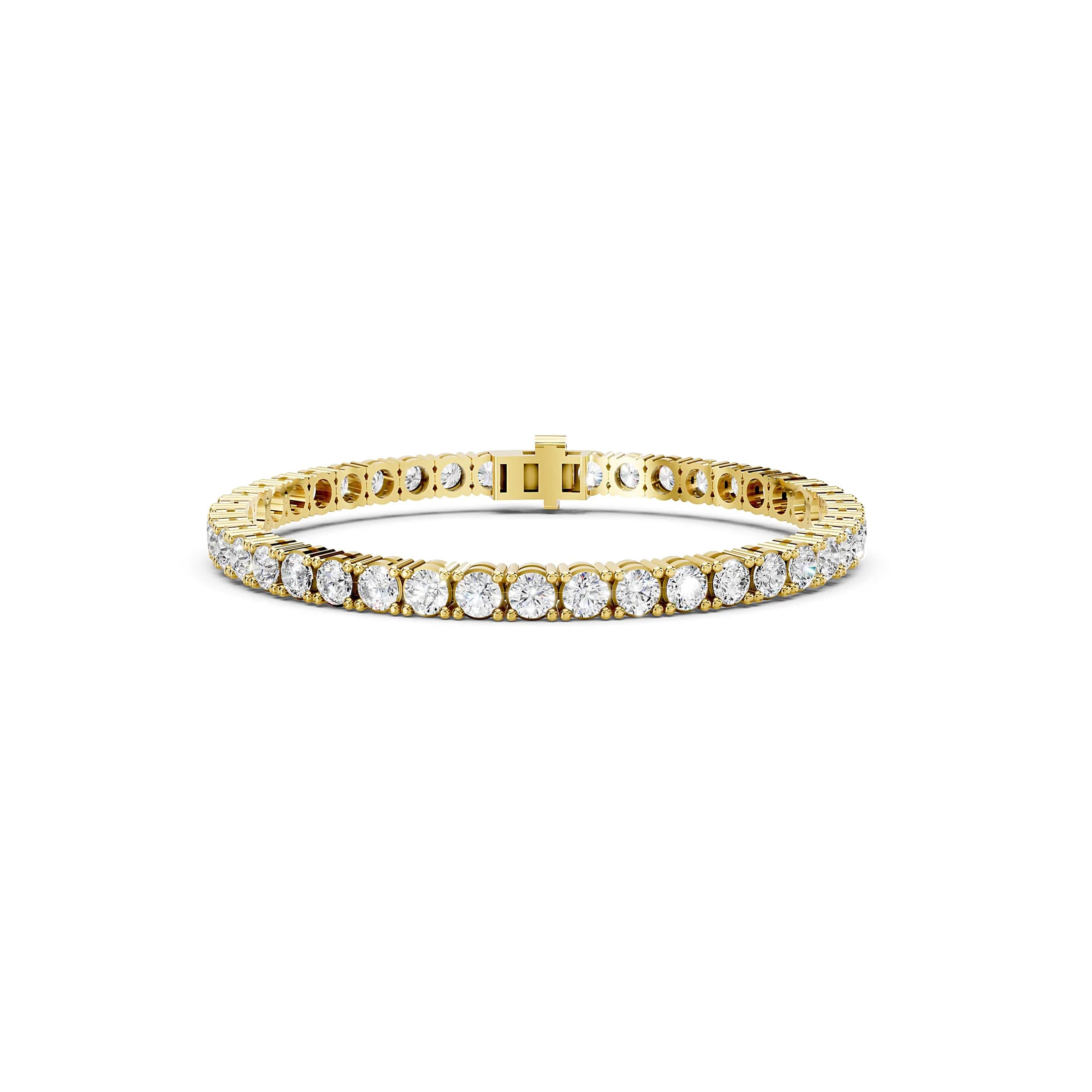
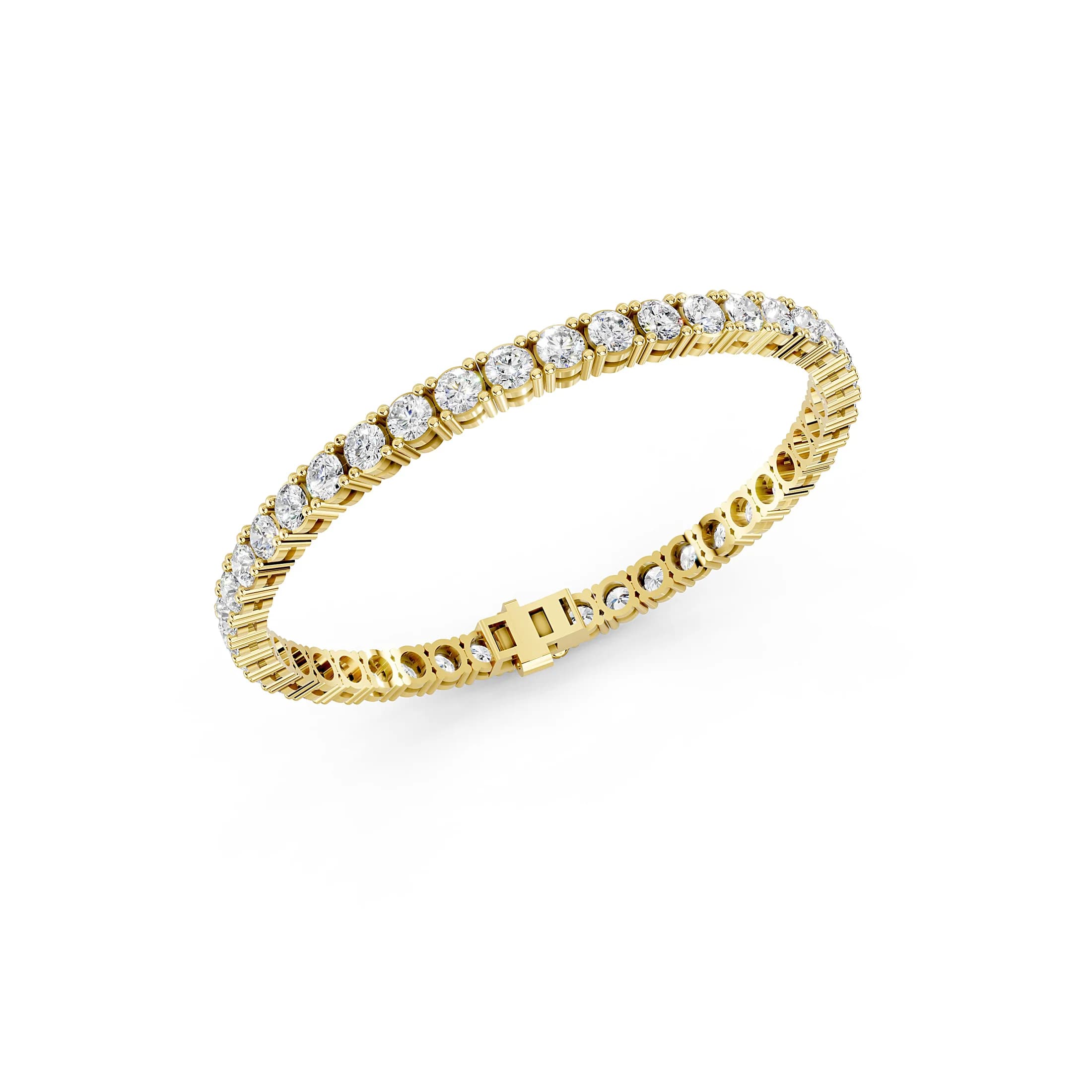
A tennis bracelet looks best with a little room, but not so much that it spins around or slides over your hand. Most people do well with their wrist size plus about ½ inch.
Diamonds in a line don't stretch or bend the way a chain does, so a tight fit can feel stiff and put more strain on the clasp. If you're between sizes, go slightly larger. For more on the style itself, read what a tennis bracelet is and how to wear one.
If you don't know their wrist size, try one of these:
Measure a bracelet they already own while they're out, following the steps above.
Ask someone close to them. A friend or family member may already know.
Choose 7 inches if you have to guess. It's the most common women's length and suits many wrists.
For gift ideas, see our Christmas jewelry gift guide.
Not for most women. A 7-inch bracelet comfortably fits a wrist of about 6 to 6½ inches. If your wrist measures 7 inches or more, choose a longer size.
Around 7 inches for women. Men's bracelets are usually around 8 to 8½ inches.
You should be able to slide a finger between the bracelet and your wrist. If you can't, it's too tight. If it can slip over your hand when closed, it's too loose.
It can change a little with temperature, time of day and weight changes. Measure when your hands are at a normal temperature, and not straight after exercise.
Once you know your size, see our tennis bracelets and the rest of our diamond bracelets. Need a size guide for something else? We also have a necklace length chart and a ring size guide.
Use our necklace length chart to see where 14 to 36 inches sits. Learn how to measure, compare 16 vs 18 inch necklaces and pick a length for any pendant.
Read article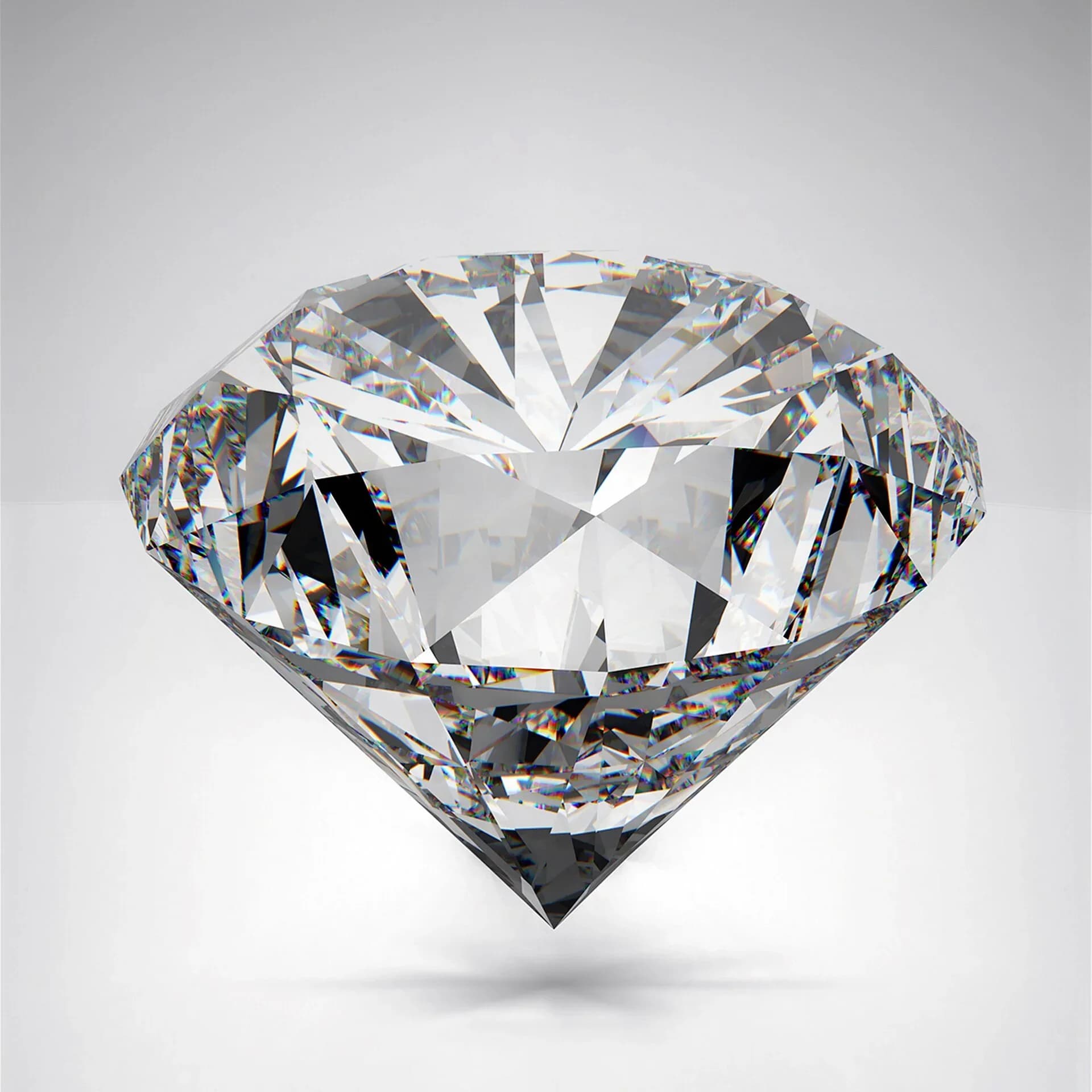
Lab-grown diamonds are real diamonds made in a laboratory, with the same chemical structure as mined stones. Learn how they are made and how they compare.
Read article
A grading report is one of the most important documents to understand when buying a lab-grown diamond. It independently identifies the stone and records information that helps you understand exactly what you're purchasing. IGI and GIA are two major gemological laboratories used for lab-grown diamonds, but their current reporting systems are not identical. This guide explains what an IGI or GIA report can tell you, how their approaches differ, what changed with GIA's lab-grown diamond assessments in 2025, how to verify a report number and laser inscription, and which details you should check before buying a certified lab-grown diamond.
Read article