

Craft & Making
Where Are Lab-Grown Diamonds Made?
Most lab-grown diamonds are made in China and India. See how each country's production differs, why Surat matters and what the 2026 market looks like.
Read articleCraft & Making
How diamonds are cut, step by step: planning, sawing, bruting, faceting and polishing. See the tools used, how much weight is lost and why it affects sparkle.
Nov 4, 2026 · 4 min read · House of Diams
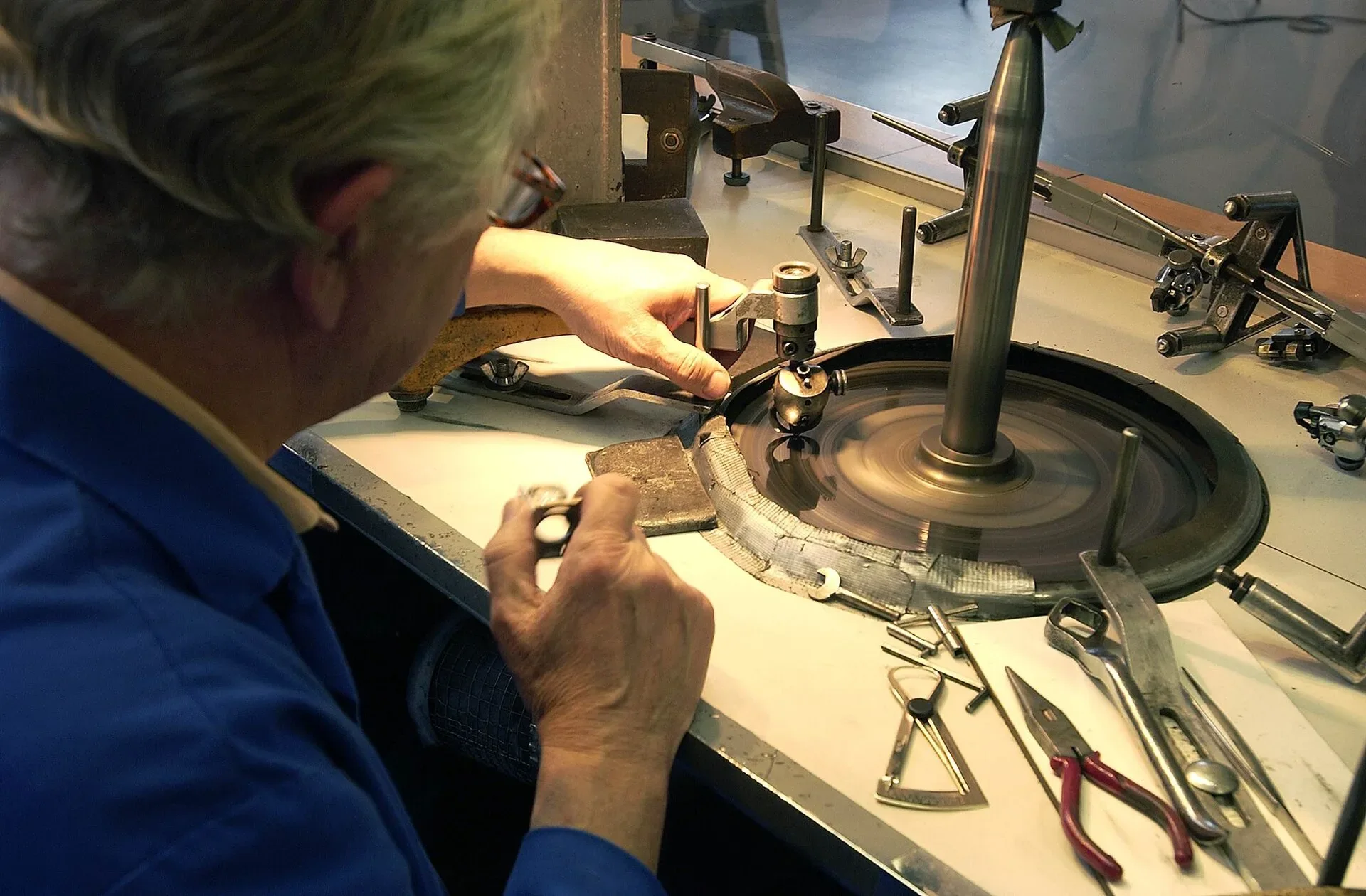
Diamonds are cut with lasers and diamond-tipped saws, then shaped and polished on spinning wheels coated with diamond powder. Only diamond can cut diamond. The process has five main steps: planning, sawing, bruting, faceting and polishing, followed by a final inspection.
The steps are the same for mined and lab-grown stones. Here's what happens at each one, and why it decides how much a finished diamond sparkles.
Every rough diamond is different. A planner studies its shape, size and any inclusions, usually with a 3D scanner and software, and maps out the finished stone or stones it could yield. This is the most important decision in the process. The aim is to balance size against beauty: the largest stone isn't always the best-looking one.
The rough stone is then divided along the planned line. Today most cutters use a laser, or a very thin saw blade coated with diamond. Cleaving is the older method, where a cutter strikes the stone along a natural plane of weakness in the crystal. It's a tense, skilled job, and one mistake can ruin the stone.
Bruting gives the diamond its basic outline. For a round diamond, the stone spins while another diamond or a laser wears away its edge until it forms a circle. Fancy shapes, such as ovals, are usually shaped by laser instead.
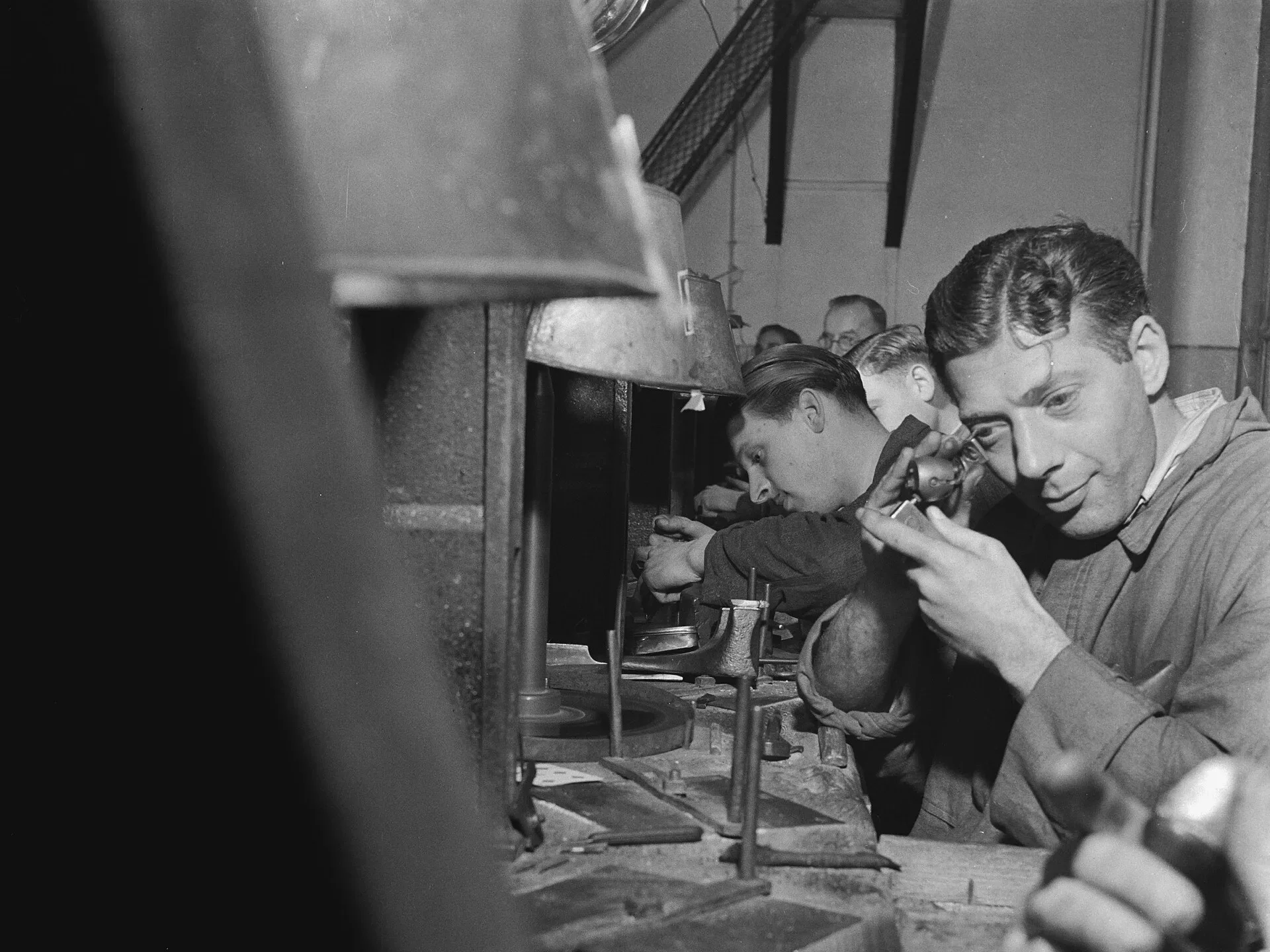
Next come the facets, the small flat surfaces that reflect light. The cutter holds the stone against a spinning cast-iron wheel, called a scaife, which is coated with diamond powder and oil. The main facets go on first, and the smaller ones follow. A standard round brilliant has 57 or 58 facets, and their angles decide how well the stone returns light.
Polishing on the same kind of wheel removes tiny marks and gives each facet its bright finish. The stone is then cleaned and checked against the plan. If it's being graded, it goes to a laboratory for a report on its cut, color, clarity and carat weight. Our guide to GIA and IGI certification explains that last stage.
A lot. Often around half the rough stone's weight is lost by the time the diamond is finished, and it can be more for some shapes. That's a key reason cutting is planned so carefully, and part of why finished diamonds cost what they do.
Diamond is the hardest natural material known, at 10 on the Mohs scale. Yet its hardness isn't equal in every direction, because of the way its crystal is built. Cutters take advantage of this: the randomly oriented grains of diamond powder on the wheel will always include some that are harder than the direction being polished.
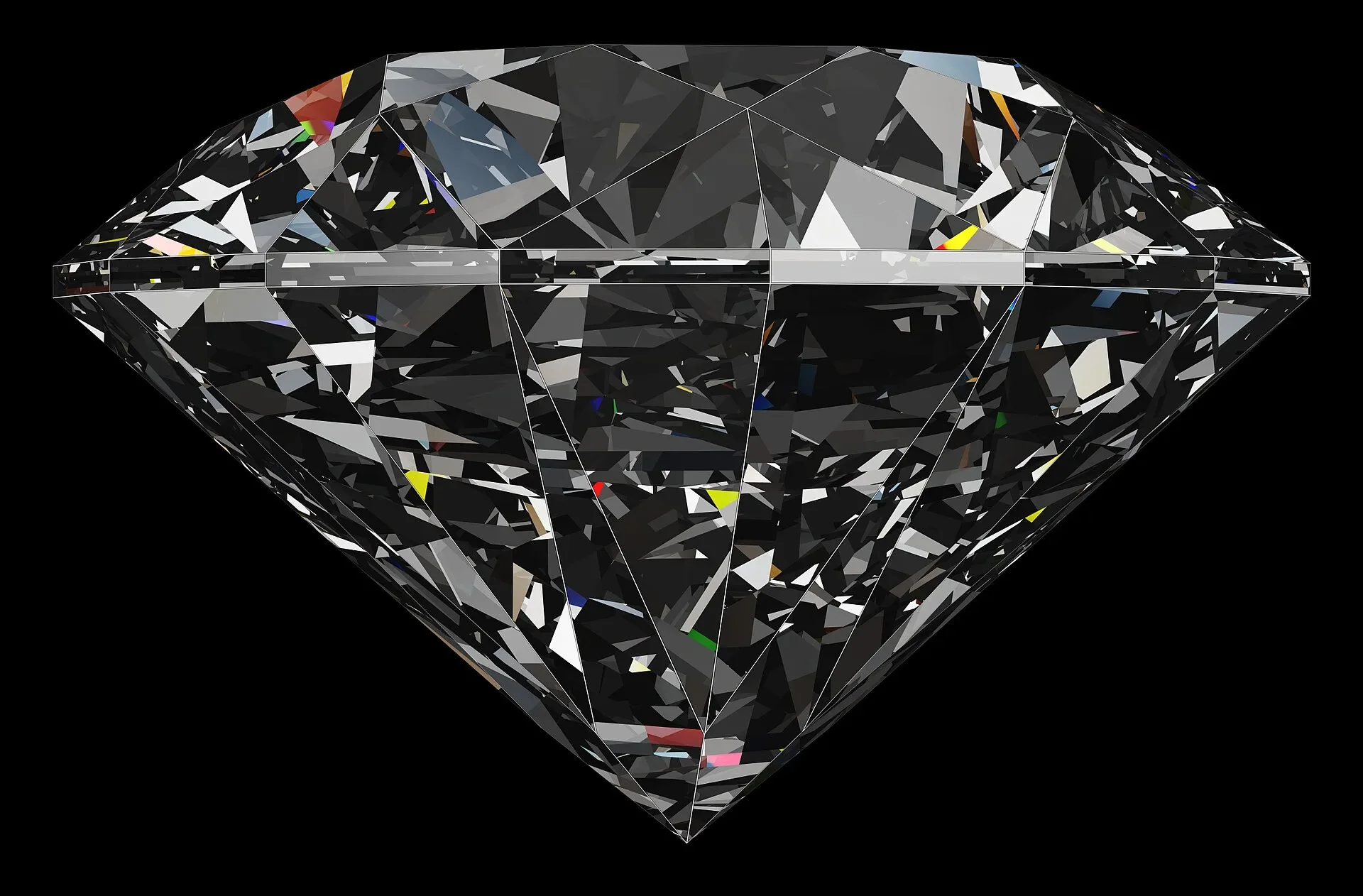
People often mix these up. Shape is the outline, such as round, oval or pear. Cut describes how well the stone's angles and proportions handle light. Two diamonds of the same shape can look completely different if one is better cut. Read more in our guide to the 4Cs of diamonds and to diamond shapes.
No. A lab-grown diamond starts as a rough crystal, just as a mined one does, and goes through the same planning, sawing, shaping, faceting and polishing. The tools and skills are the same. What are lab-grown diamonds? explains how the rough stones are grown.
India cuts and polishes a large share of the world's diamonds, and Surat, in Gujarat, is its best-known center. Antwerp, New York and Tel Aviv are also historic cutting cities.
House of Diams has its workshop base in Surat, where we cut and process our own stones and make every piece to order. You can read more on our About page, or see where lab-grown diamonds are made.
It depends on the size and shape of the stone. A small stone can be finished quickly, while a large or complex one can take much longer because of the planning and care involved.
It's the final stage of faceting, when a spinning wheel coated with diamond powder gives each facet a smooth, bright surface.
Yes, a skilled cutter can recut a stone to repair damage or improve its light return, but it will lose weight in the process.
See what careful cutting looks like in our engagement rings and fine jewelry, or work with us on a bespoke piece built around the stone you choose.
Most lab-grown diamonds are made in China and India. See how each country's production differs, why Surat matters and what the 2026 market looks like.
Read article
Buying an engagement ring online can feel overwhelming, especially when it's one of the most meaningful purchases you'll ever make. From choosing the right diamond shape and understanding the 4Cs to selecting the perfect metal, setting, and ring size, every decision matters. This guide walks you through each step of the buying process, helping you shop confidently, avoid common mistakes, and choose a certified lab-grown diamond engagement ring that perfectly matches your style, budget, and lifestyle.
Read article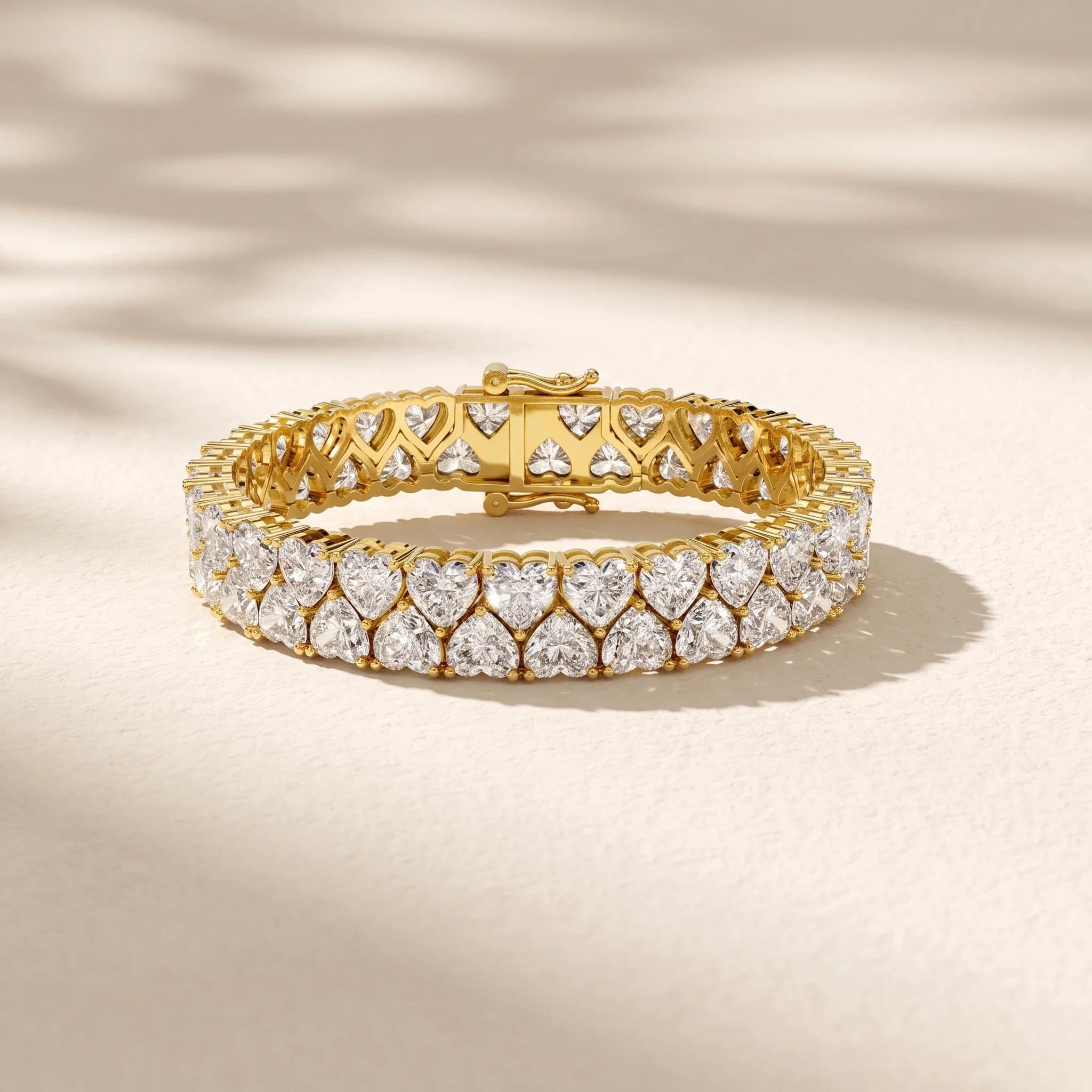
A tennis bracelet is a flexible line of evenly set diamonds. Learn how it got its name from Chris Evert, how to wear and stack one and how to choose well.
Read article