



Education
Necklace Length Chart
Use our necklace length chart to see where 14 to 36 inches sits. Learn how to measure, compare 16 vs 18 inch necklaces and pick a length for any pendant.
Read articleEducation
A diamond clarity chart from Flawless to I3: what each grade means, which grades look clean to the eye and which clarity to buy.
Nov 6, 2026 · 8 min read · House of Diams
Diamond clarity measures how free a diamond is from small internal features, called inclusions, and surface marks, called blemishes. The standard scale, created by GIA (the Gemological Institute of America), has 11 grades from Flawless (FL) to Included (I3). For most buyers, the best value sits between VS2 and SI1, where a well-chosen diamond looks clean to the naked eye.
Below is the full diamond clarity chart, what each grade means, which features to avoid, and how to choose the right clarity for your ring or earrings.
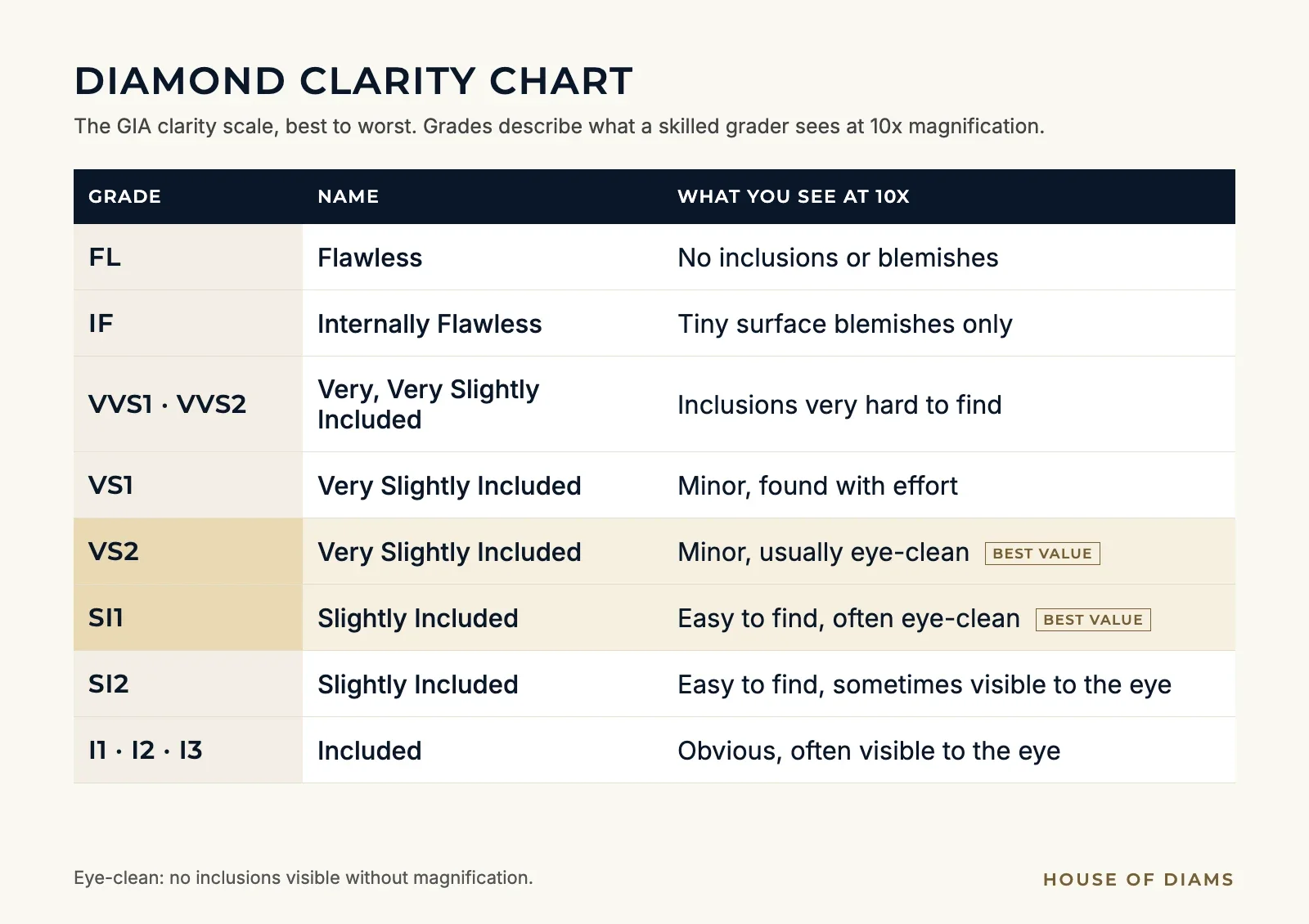
From best to worst, the 11 clarity grades fall into six groups:
FL (Flawless). No inclusions and no blemishes visible to a skilled grader at 10x magnification. Very rare.
IF (Internally Flawless). No inclusions at 10x. Only tiny surface blemishes.
VVS1 and VVS2 (Very, Very Slightly Included). Inclusions so small that a skilled grader finds them hard to see at 10x. VVS1 is the cleaner of the two.
VS1 and VS2 (Very Slightly Included). Minor inclusions that a grader can see at 10x with some effort. Usually invisible to the naked eye.
SI1 and SI2 (Slightly Included). Inclusions are easy to see at 10x. Many SI1 diamonds still look clean to the eye. In SI2, inclusions are more often visible without magnification.
I1, I2 and I3 (Included). Inclusions are obvious at 10x and often visible to the eye. In I2 and I3 they can affect the diamond's sparkle and, in some stones, its durability.
You may also see SI3. It isn't a GIA grade. Some other laboratories used it for stones between SI2 and I1.
Clarity is one of the 4Cs, alongside cut, color and carat. Color has its own scale, from D (colorless) to Z, and is graded separately. For how the four fit together, read the 4Cs of diamonds explained.
Trained graders look at the diamond under 10x magnification, the standard for clarity grading. They don't just count inclusions. GIA bases the grade on five things:
Size. Larger inclusions lower the grade more.
Number. How many inclusions there are.
Position. An inclusion under the large top facet (the table) is easier to see than one near the edge.
Nature. What kind of feature it is, and whether it's inside the stone or on the surface.
Relief. How much the inclusion stands out from the diamond around it. Dark features stand out more than white ones.
The grade is recorded on the diamond's grading report, and many reports also include a plot, a small map of the inclusions. House of Diams pieces come with IGI and GIA certificates. To see what these two laboratories do, read GIA vs IGI certification.
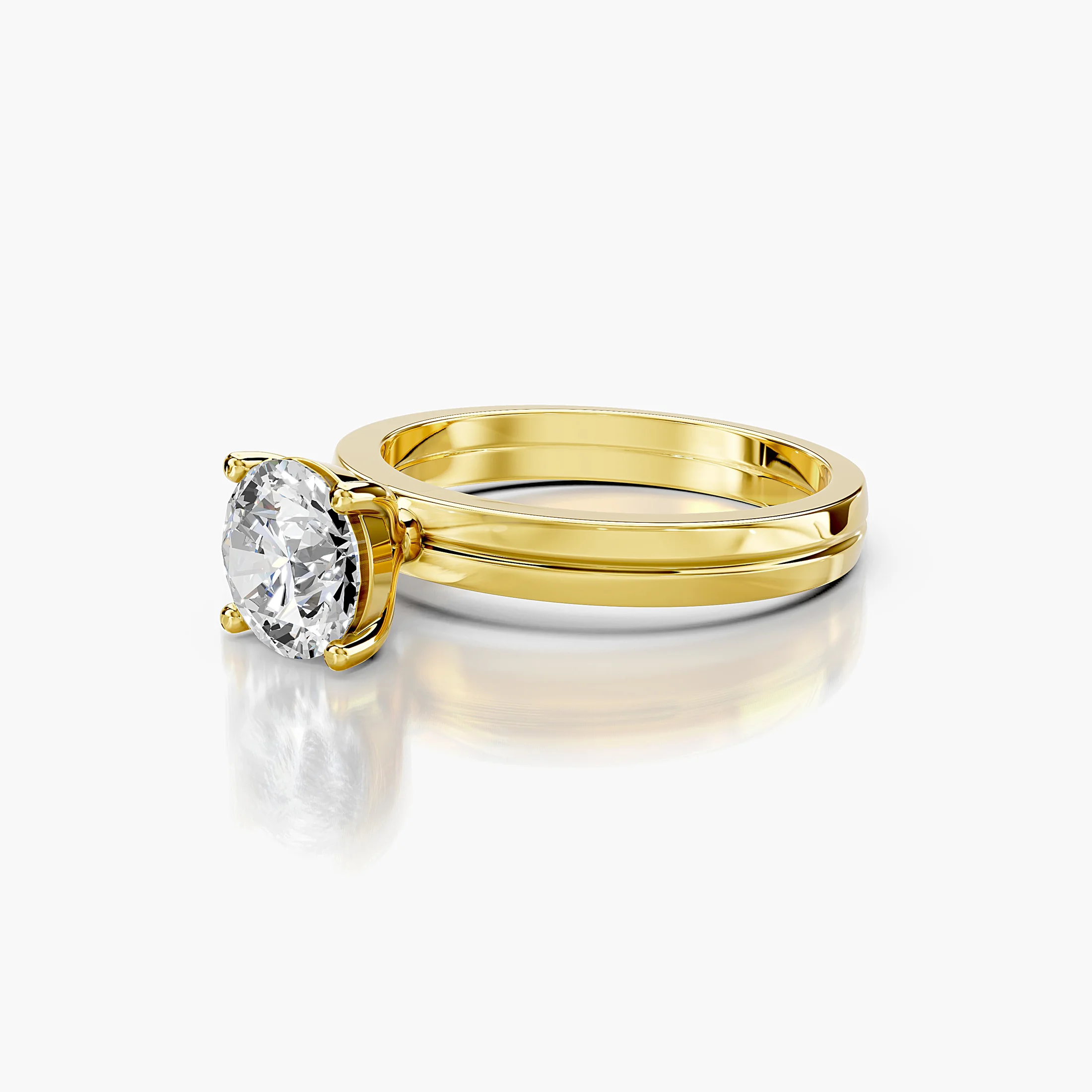
Inclusions are inside the diamond. Blemishes are on its surface. The most common inclusions are:
Pinpoint. A tiny crystal that looks like a white or dark dot. Usually harmless.
Cloud. A group of pinpoints. Small clouds are invisible, but a large one can make a diamond look hazy.
Crystal. A small mineral crystal trapped inside the diamond. It can be white, clear or dark.
Needle. A long, thin crystal.
Feather. A small break inside the stone, which often looks white or like a fine line.
Twinning wisp. A ribbon of pinpoints, clouds or crystals left by irregular growth.
Cavity or chip. An opening in the surface or a small piece missing, often near the edge.
Common blemishes are scratches, small nicks, polish lines left by the cutting wheel, and an extra facet. Most are minor and only matter in the top grades.
Large dark crystals under the table. They are the easiest inclusions to see.
Clouds that make the diamond look hazy. They can dull its sparkle even when the grade looks good on paper.
Feathers that reach the surface or the edge. A large one can make the stone more likely to chip if it's knocked.
Cavities and chips on the edge or a corner. Pointed shapes such as pear, marquise and princess are more exposed there.
Small white or clear inclusions near the edge, where prongs can cover them, are usually the least noticeable.
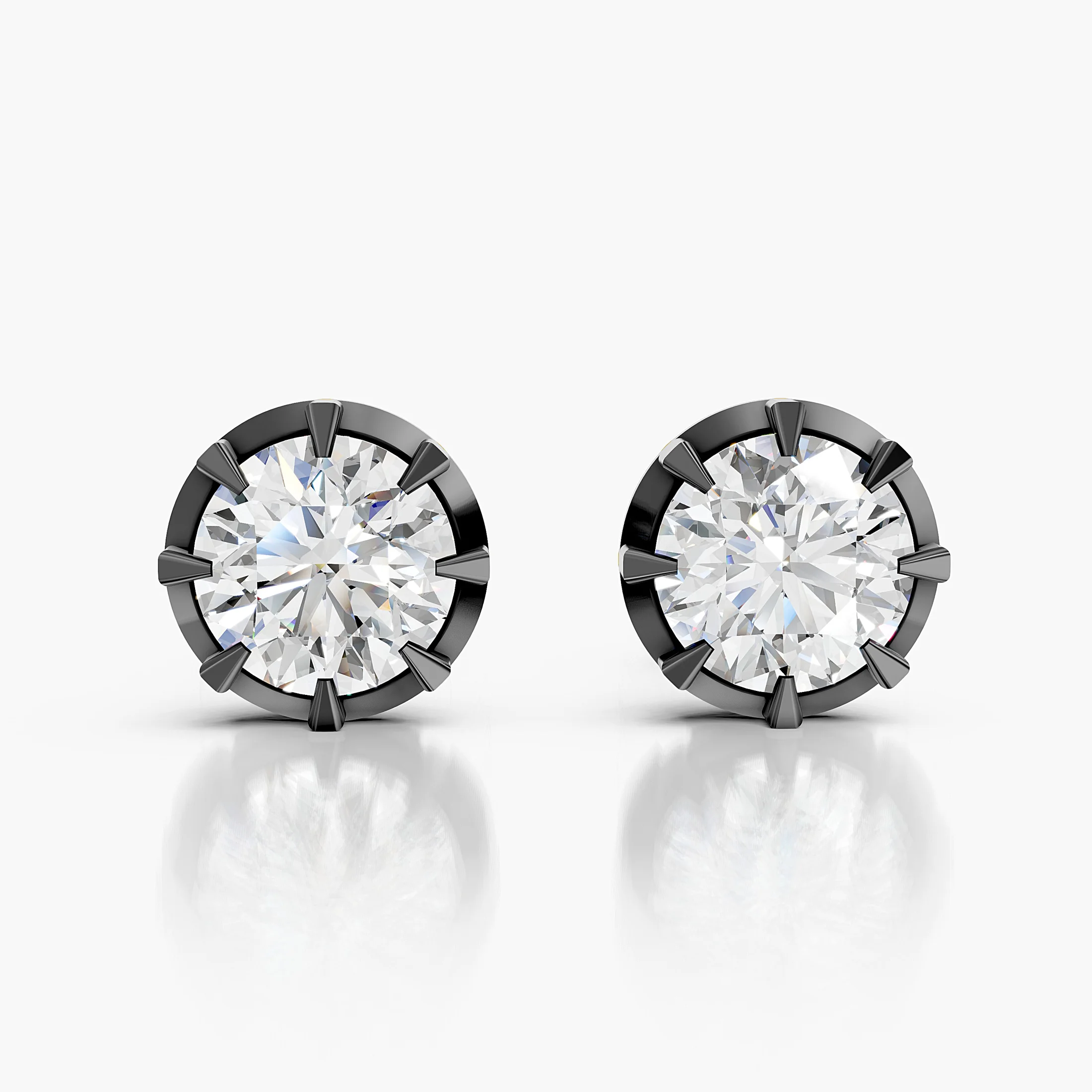
A diamond is eye-clean when you can't see any inclusions without magnification, looking at it from a normal distance of about 6 to 12 inches. Eye-clean isn't an official grade. It's a judgment about one stone, so two diamonds with the same grade can look different.
That's why the best value usually sits in the middle of the scale:
VS1 and VS2 diamonds are almost always eye-clean in round and other brilliant shapes.
SI1 diamonds are often eye-clean too, but it's worth checking each stone.
VVS and above look the same as an eye-clean VS stone without magnification. You pay more for a difference you can only see under a loupe.
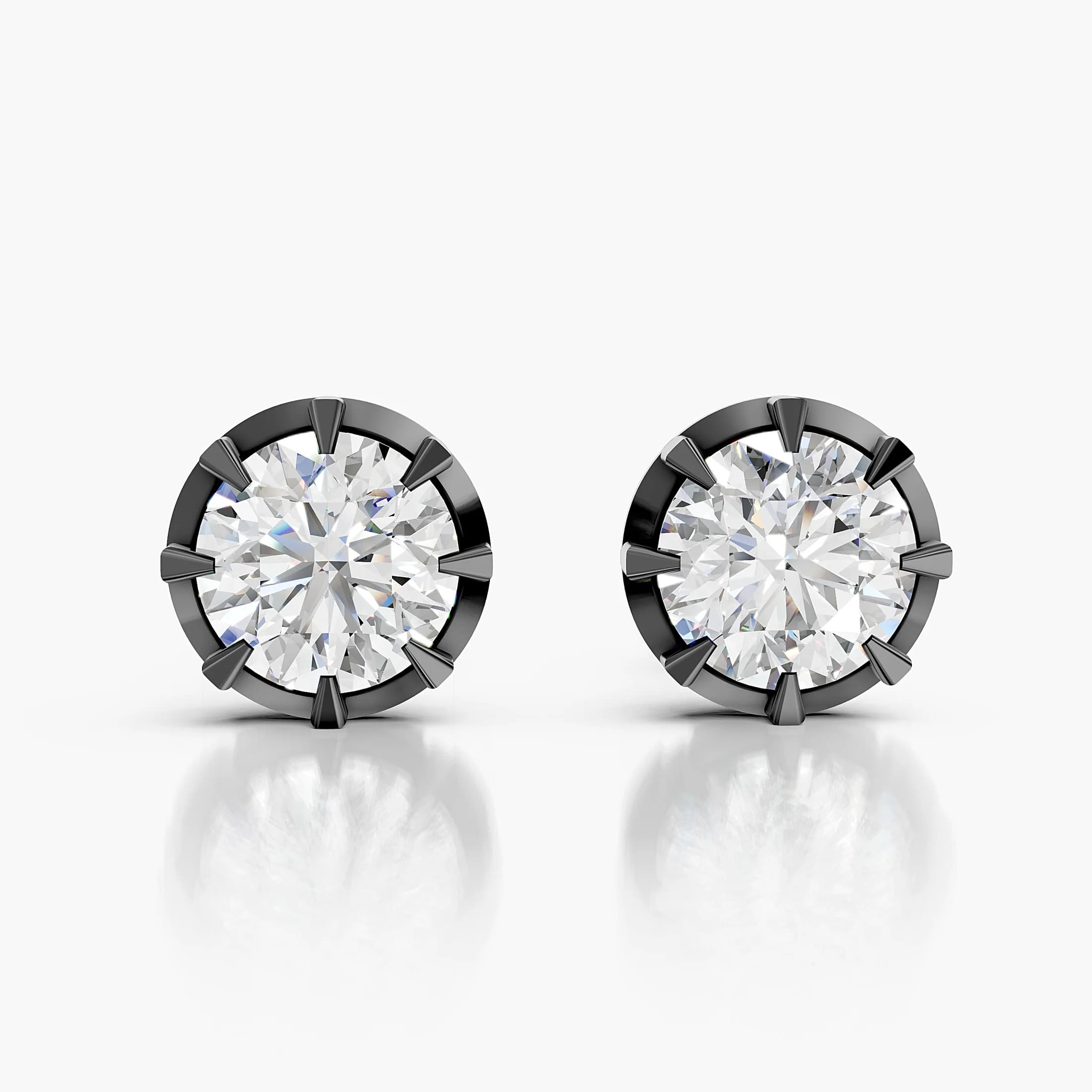
Clarity also matters less in small stones. In diamond stud earrings, which are seen from further away, an eye-clean SI1 or VS2 looks just as clean as a higher grade.
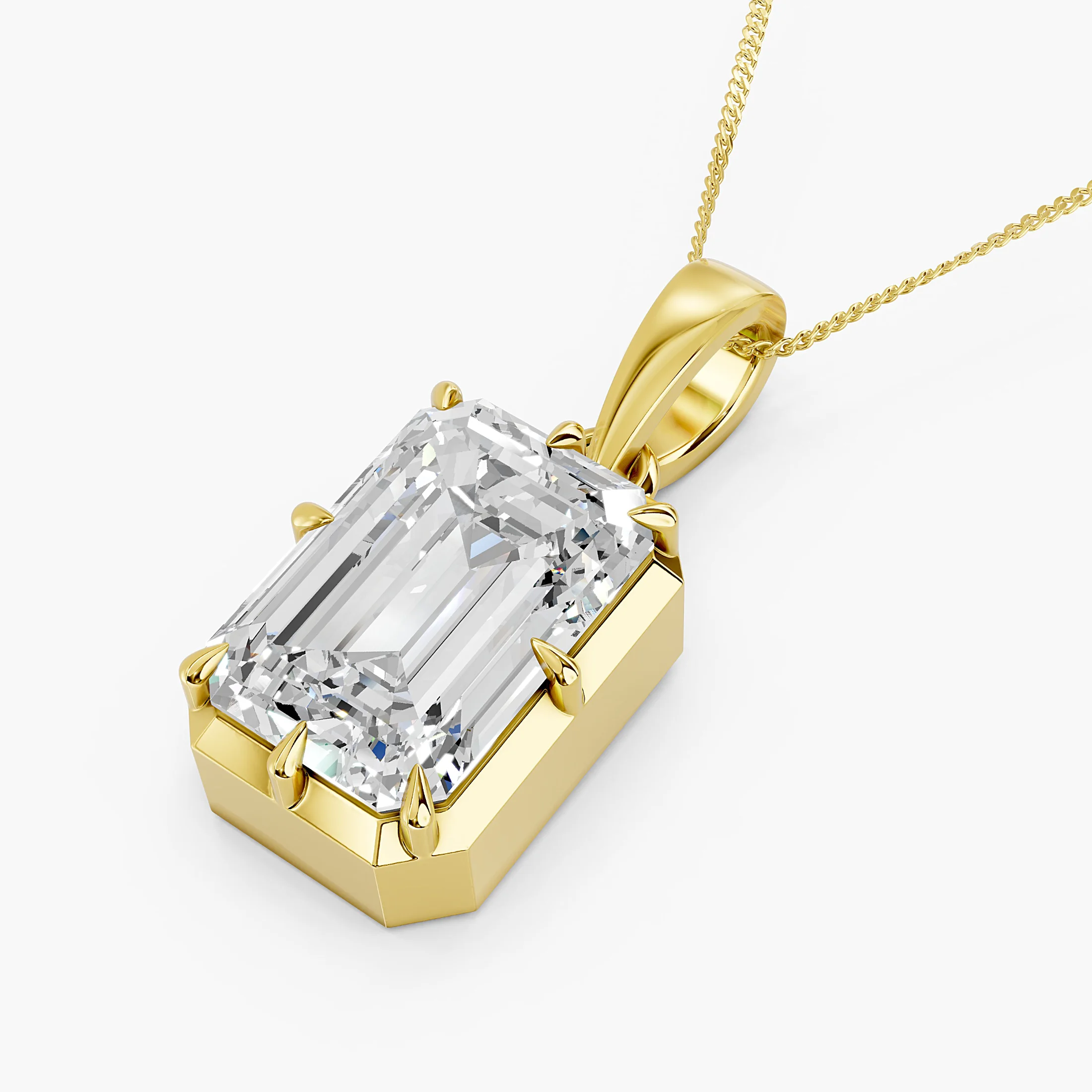
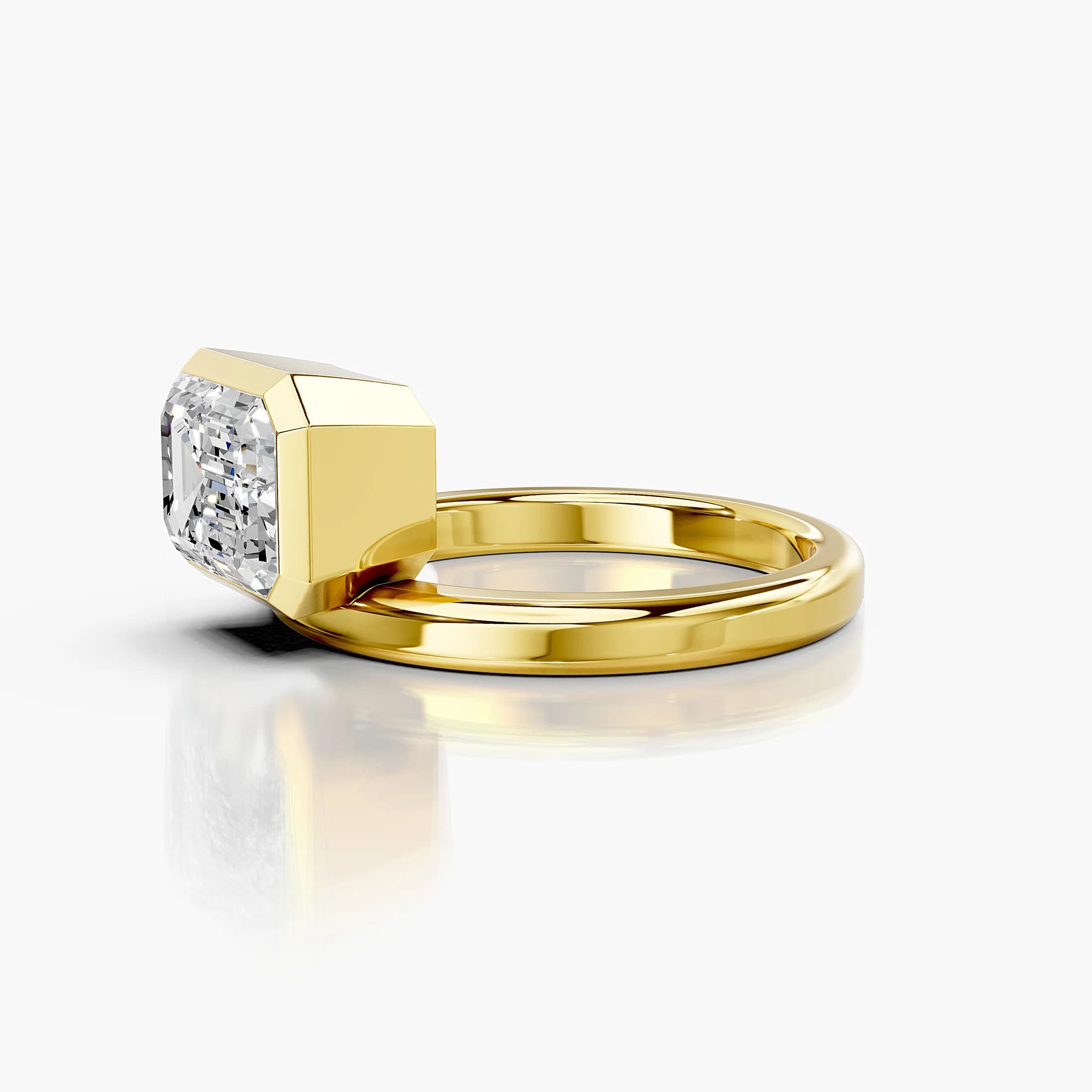
Shape changes how easy inclusions are to see. Step cuts, such as emerald and Asscher, have long, flat facets and a large open table that work like a window into the stone. Brilliant cuts, such as round, oval, pear and cushion, have many small facets that scatter light and help hide inclusions.
So for an emerald or Asscher cut, choose VS2 or higher, or check that an SI1 stone is eye-clean. For a round or oval, SI1 is often enough. For more on how shapes differ, see our guide to diamond shapes for engagement rings.
VS stands for Very Slightly Included. Both VS grades have minor inclusions that a grader sees at 10x only with some effort. The difference is how much effort:
VS1 inclusions are harder to find, even under magnification. VS1 is the clearer of the two.
VS2 inclusions are a little easier to find at 10x, and slightly more likely to be visible to the eye in large stones or step cuts.
Is VS1 good for a diamond? Yes. It's a high grade, and a VS1 diamond is eye-clean in almost every shape and size. Is VS2 eye-clean? Usually, in round and other brilliant shapes. In a large emerald or Asscher cut, look at the stone or its photos before you decide.
VS2 usually costs less than VS1, so for most round diamonds it's the better value. Choose VS1 for a large step cut, or if you want extra reassurance.
Seen at 10x. VVS: very hard to find. VS: found with some effort. SI: easy to find.
Eye-clean? VVS: always. VS: almost always. SI: often in SI1, less often in SI2.
Relative price. VVS: highest of the three. VS: middle. SI: lowest.
Typical use. VVS: buyers who want a stone that's clean even under a loupe. VS: engagement rings, including step cuts. SI: value buys in brilliant shapes, after checking the stone.
Which is better, VVS or VS? On a grading report, VVS. To the naked eye, a VVS diamond and an eye-clean VS diamond look the same, so VS is usually the smarter buy. Which is better, VS or SI? VS is a higher grade and more reliably eye-clean. An eye-clean SI1 can still be a very good choice, and it costs less.
Clarity and carat pull against each other on a budget. A larger diamond costs more at every clarity grade, and its inclusions are also bigger and easier to see. So the bigger the stone, the more clarity matters.
Is it better to have a bigger diamond or more clarity? For most people, a bigger diamond, as long as it stays eye-clean. A higher grade you can't see adds cost, while extra size is visible every day. A simple rule:
Decide on your shape, because it sets how much clarity you need.
Choose the lowest grade that's eye-clean for that shape and size.
Put the money you save into size, or into a better cut, which has the biggest effect on sparkle.
Lab-grown diamonds are graded on the same clarity scale as natural ones. The inclusions can differ, because they depend on how the diamond was grown, but the grades mean the same thing. To learn more, read what lab-grown diamonds are and our comparison of CVD vs HPHT lab-grown diamonds.
Best value in a round or oval: VS2 or an eye-clean SI1.
Emerald or Asscher cut: VS2 or higher.
Large center stone: VS1 or VS2, because inclusions are easier to see as size goes up.
Stud earrings and small stones: an eye-clean SI1 or VS2.
A stone that's clean even under magnification: VVS or above.
VS2 is a good clarity grade for most diamonds, and SI1 is good for many brilliant shapes if the stone is eye-clean. Both look clean without magnification and cost much less than the top grades.
Yes. F is a colorless color grade and VS1 is a high clarity grade, so an F VS1 diamond is a high-quality stone. Cut still matters most for how much it sparkles.
In most diamonds you'd buy, no. Clarity only affects sparkle when inclusions are large or many, as in lower SI2 and I grades, or when a big cloud makes the stone look hazy.
Some diamonds are treated to make inclusions harder to see, for example by laser drilling, which makes a dark inclusion less visible. A grading report lists the treatments the laboratory finds, so read it before you buy.
Browse our engagement rings to see how different shapes look in a finished setting, or our diamond stud earrings and pendant necklaces. If you have a question about a stone, contact us.
Use our necklace length chart to see where 14 to 36 inches sits. Learn how to measure, compare 16 vs 18 inch necklaces and pick a length for any pendant.
Read article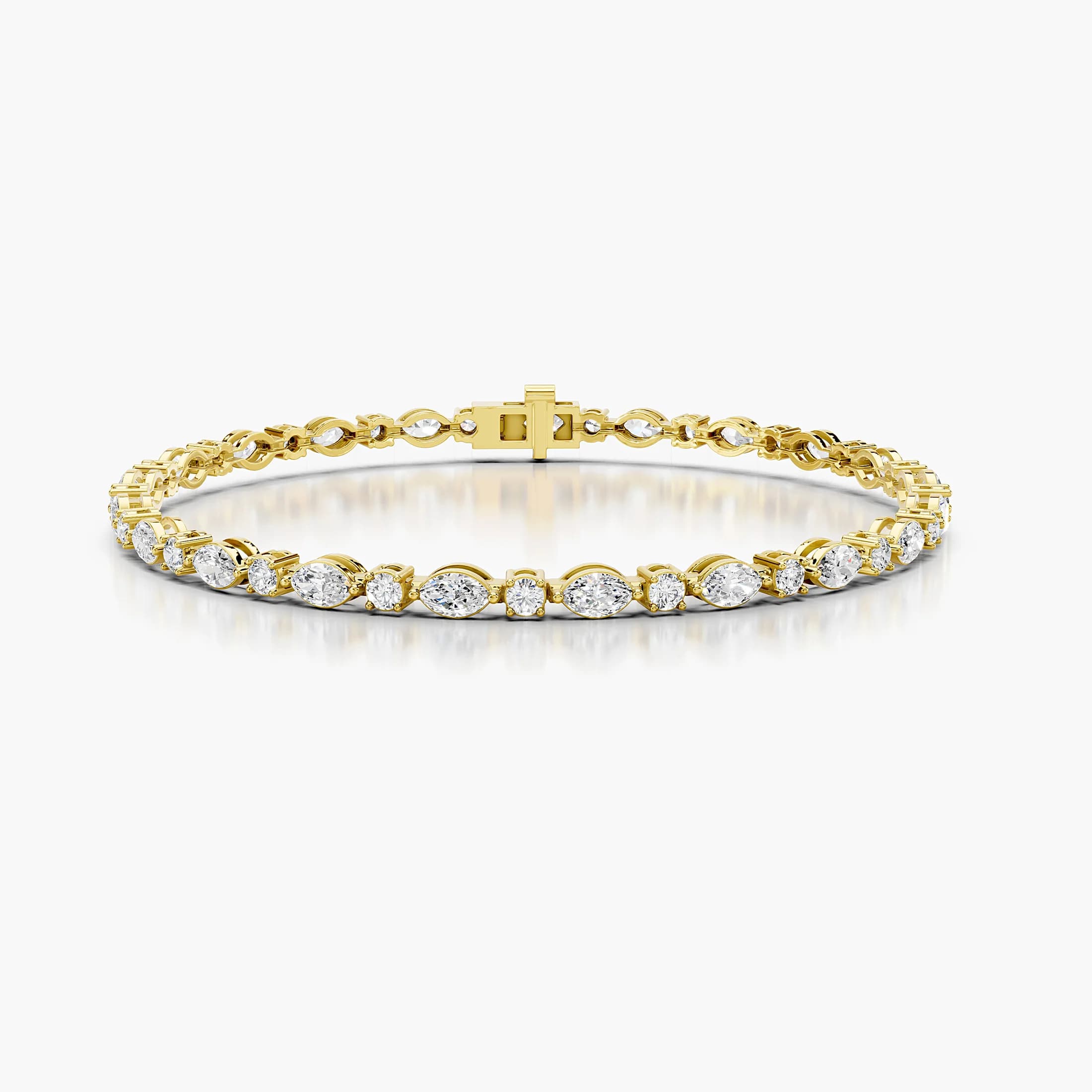
Find your fit with our bracelet size chart. Measure your wrist at home, add the right allowance for a snug, comfortable or loose fit and size a tennis bracelet.
Read article
Lab-grown diamonds are real diamonds made in a laboratory, with the same chemical structure as mined stones. Learn how they are made and how they compare.
Read article