

Style & Trends
Best Time to Buy an Engagement Ring
The best time to buy an engagement ring is two to three months before you propose. See how Black Friday compares and how to check that a discount is real.
Read articleStyle & Trends
See what couples spend on engagement rings, why the old salary rules don't matter and how to set a budget that suits you, with practical ways to save.
Nov 4, 2026 · 5 min read · House of Diams
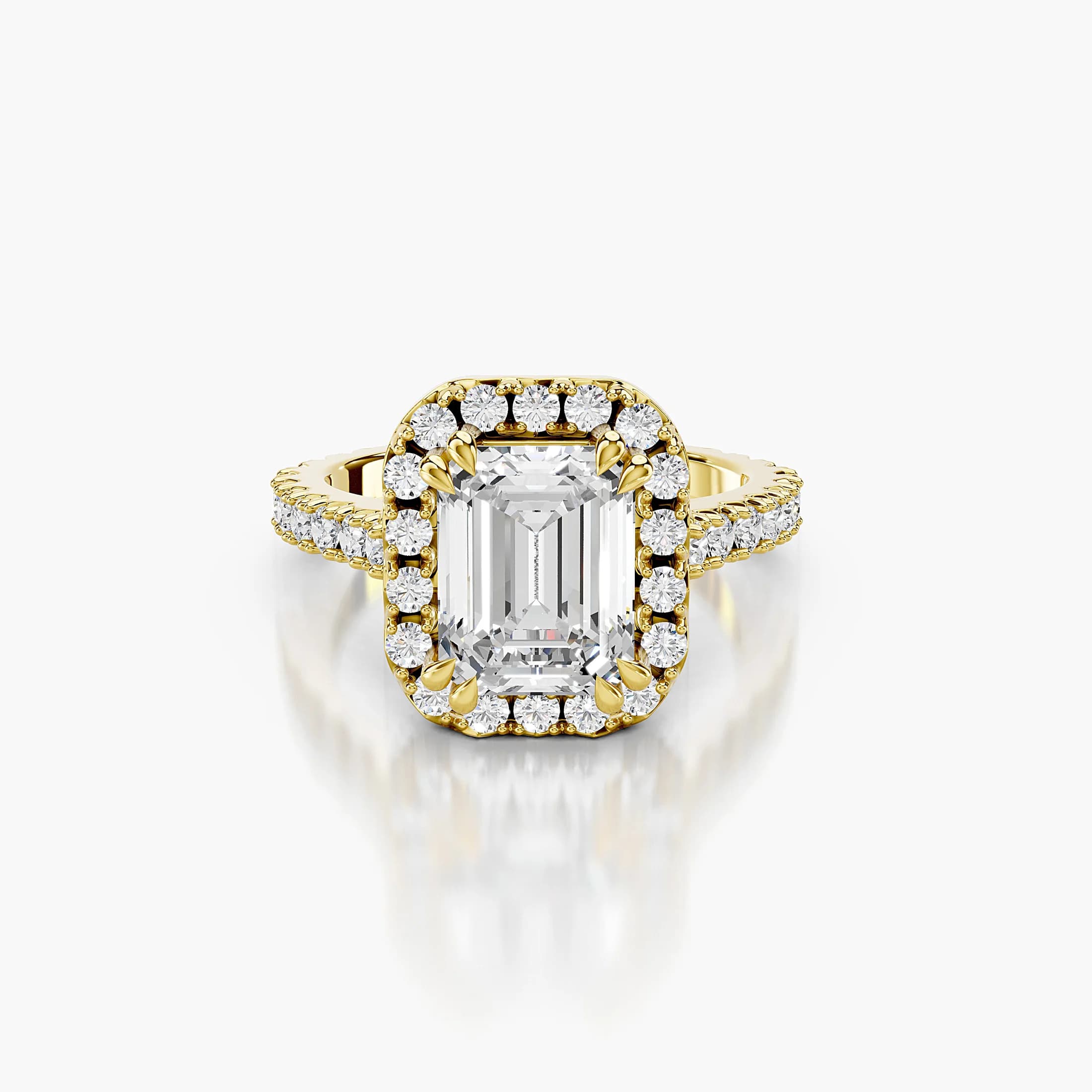
There's no fixed amount you should spend on an engagement ring. A sensible budget is one you can pay without debt that lingers. For a reference point, The Knot's 2026 Real Weddings Study, as reported by the jewelry trade, put the average US spend at about $7,000 for a natural diamond ring and about $4,300 for a lab-grown one.
Averages are only a starting point. Below you'll find what those figures mean, where the old salary rules came from and how to set a number that suits you. This is general guidance, not financial advice.
The same study covered US couples married in 2025. It reported two different averages, which show how much the type of diamond changes the picture:
Natural diamond ring: about $7,000, with an average center stone of 1.6 carats.
Lab-grown diamond ring: about $4,300, with an average center stone of 2.0 carats.
So couples choosing lab-grown spent less and still ended up with a larger stone. An average is also pulled up by a small number of very expensive rings, so plenty of people spend well below it.
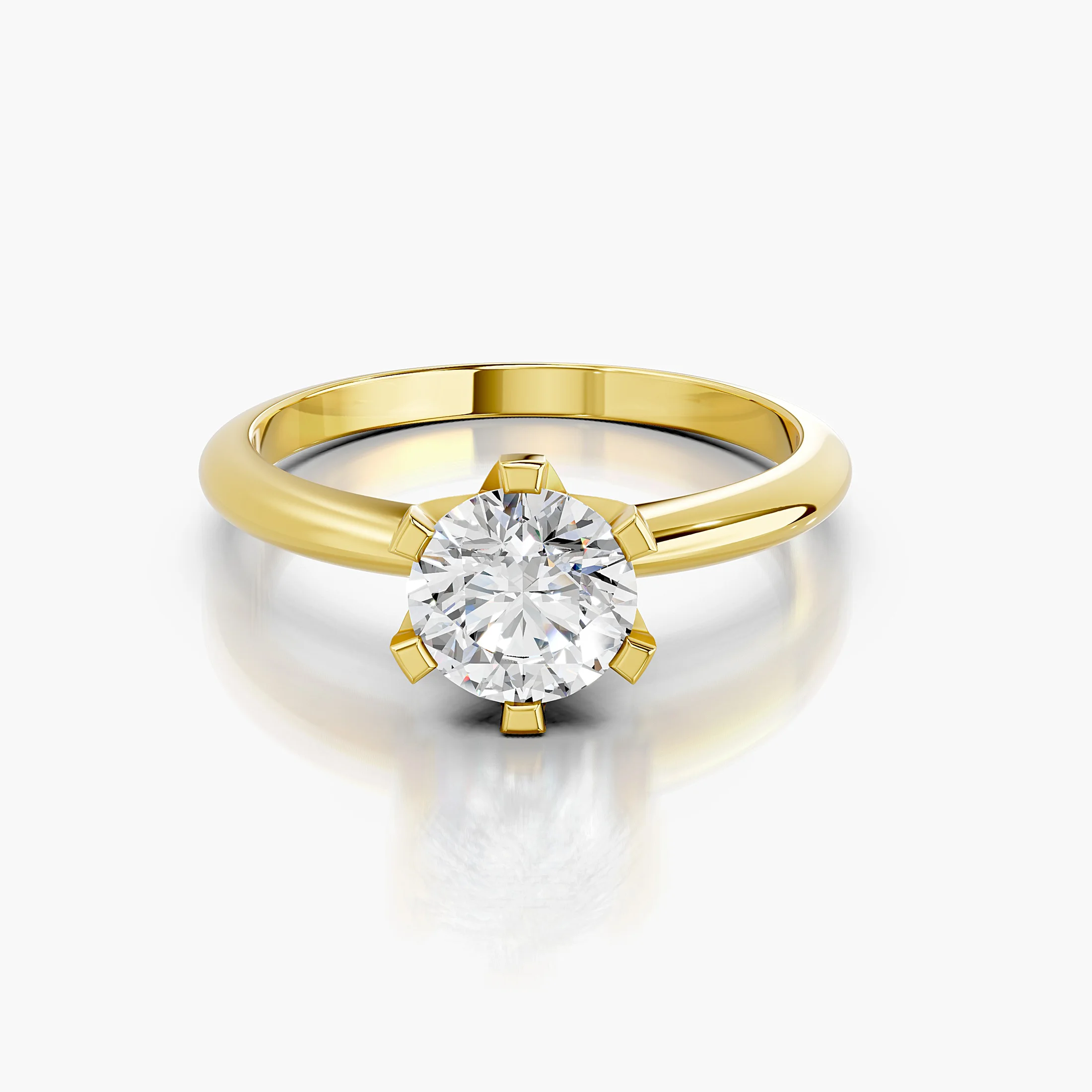
You've probably heard you should spend two or three months' salary on an engagement ring. That isn't an old tradition or a financial rule. It grew out of diamond advertising in the 20th century, led by De Beers, which first suggested one month's salary and later raised it.
Modern advice is simpler: spend what fits your finances. Someone on a high income may spend far less than three months' pay, and someone saving for a home may decide that's the higher priority.
Work through these steps to arrive at a real number:
Start with what you've saved. Look at what you can pay now, plus what you can comfortably put aside before you propose.
Protect the essentials. Keep your emergency fund intact, and consider upcoming costs such as a wedding or a home.
Decide how you'd feel about financing. If you plan to pay over time, work out the total cost, including any interest. Be sure you can pay it without strain.
Add the extras. Include a wedding band, and insurance if you plan to insure the ring.
Talk about it. Many couples discuss budget together. A proposal can still be a surprise even when the price range isn't.
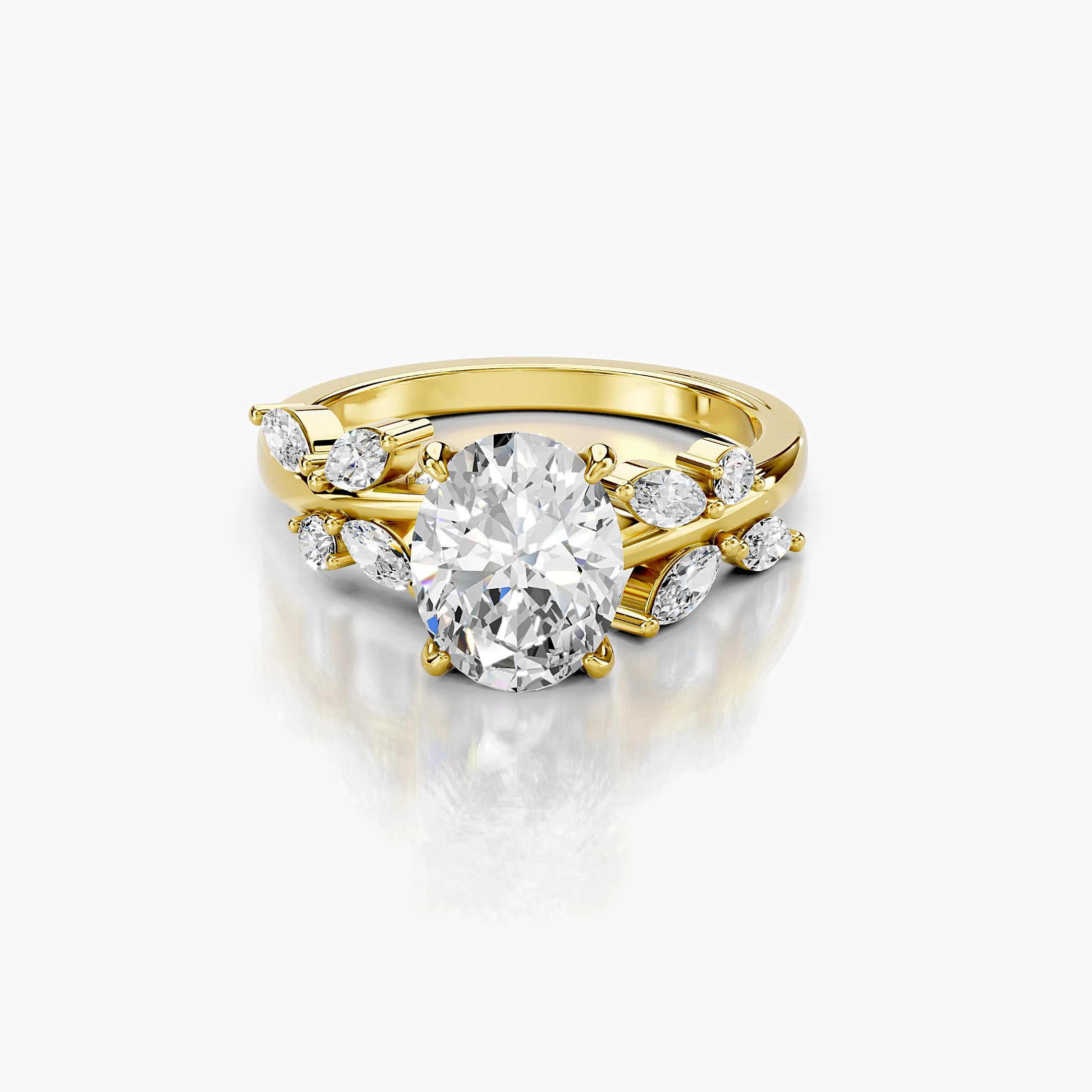
You can often get a better-looking ring for the same money by choosing where to spend:
Prioritize cut. Cut has the biggest effect on sparkle. A well-cut stone can look better than a larger, poorly cut one.
Don't overpay for color and clarity. If a stone looks clean and white to your eye, a higher grade may not change anything you can see. Our guide to the 4Cs explains how to balance them.
Buy just under a round weight. A 0.90-carat stone looks almost identical to a 1.00-carat one, and it often costs noticeably less.
Think about shape. Ovals, pears and marquises can look larger than a round diamond of the same weight. See our guide to diamond shapes.
Choose the metal carefully. A lower karat gold costs less and is often harder wearing. See 14K vs 18K gold.
This is often the biggest single decision. A lab-grown diamond generally costs far less than a natural diamond of the same size and quality, so the same budget buys a larger stone, a higher grade or a more detailed setting.
The trade-off is resale value and rarity. Natural diamonds are rarer, while lab-grown stones usually resell for much less. Read lab-grown vs natural diamonds for the full comparison, and what lab-grown diamonds are if you're new to them.
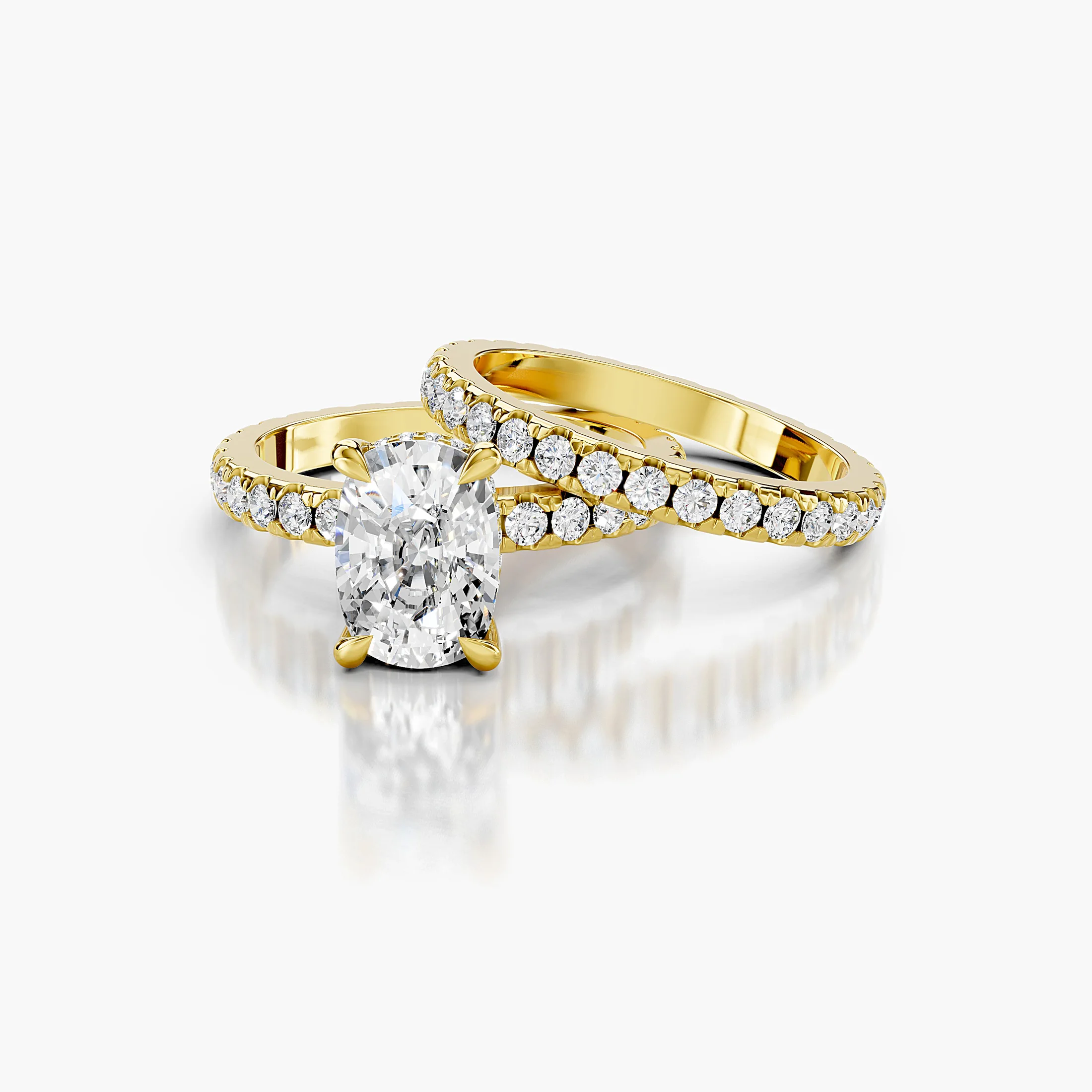
The center stone. Usually the largest part of the price, depending on its 4Cs.
Side stones. A halo, a pavé band or three stones add diamonds, and so add cost.
Metal. Higher-karat gold and heavier bands cost more.
Design and making. Fine detail takes more skill and time, and custom work may add to the cost.
It depends entirely on your finances. It's close to the averages above, but it's too much if it strains your budget, and it may be modest if you can comfortably afford more.
It can be. A well-chosen lab-grown diamond in a simple setting can look beautiful at that level, particularly if you prioritize cut.
Traditionally the person proposing, but many couples now share the cost or choose the ring together.
That's up to you. If you're planning a life and finances together, an honest conversation at some point is usually a good thing.
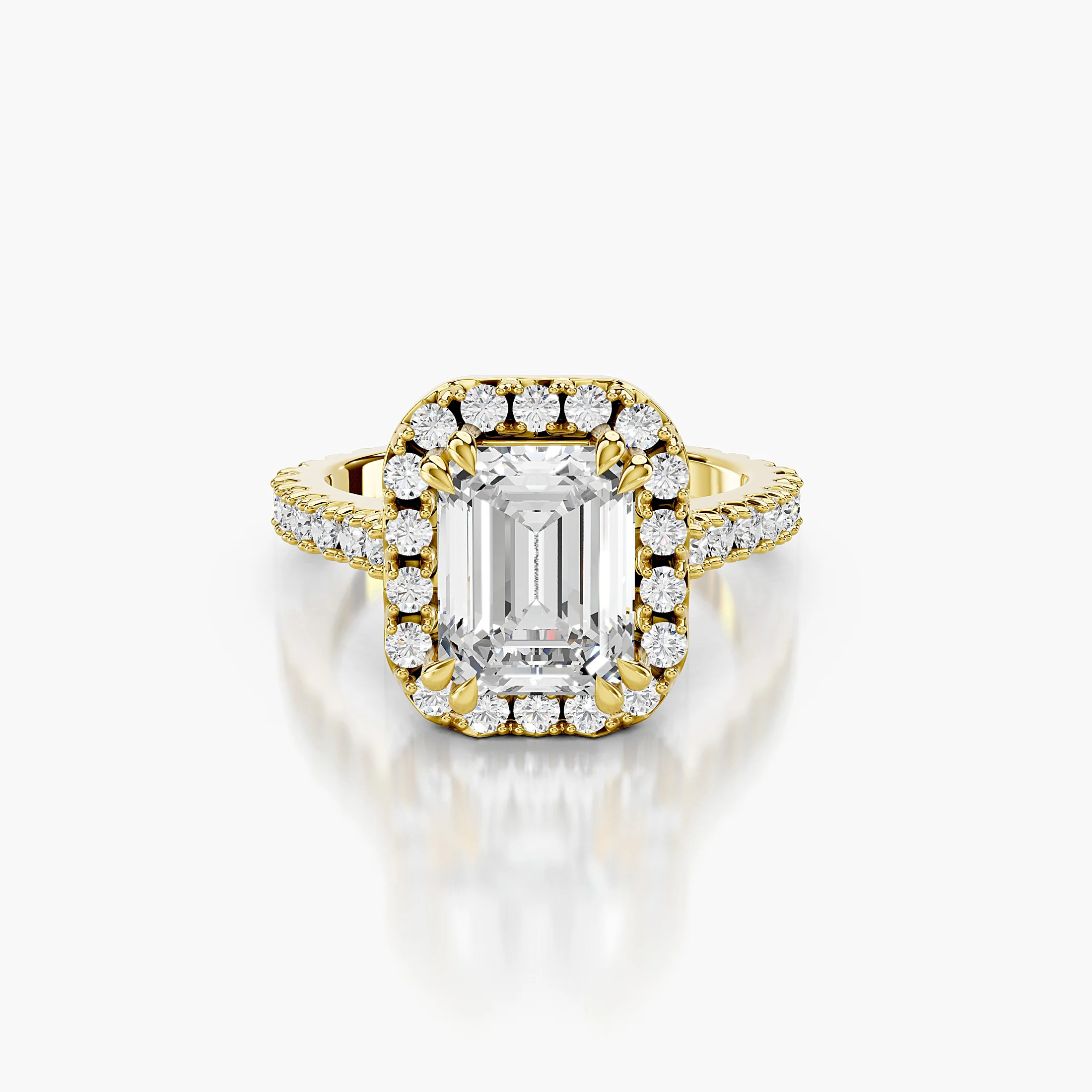
With a number in mind, see our engagement rings and sort them by price. If you want to know exactly what you're paying for, read how to choose a lab-grown diamond first, or ask about a bespoke ring designed around your budget.
Source: The Knot Real Weddings Study 2026 (10,474 US couples married in 2025), as reported by the jewelry trade in February 2026.
The best time to buy an engagement ring is two to three months before you propose. See how Black Friday compares and how to check that a discount is real.
Read article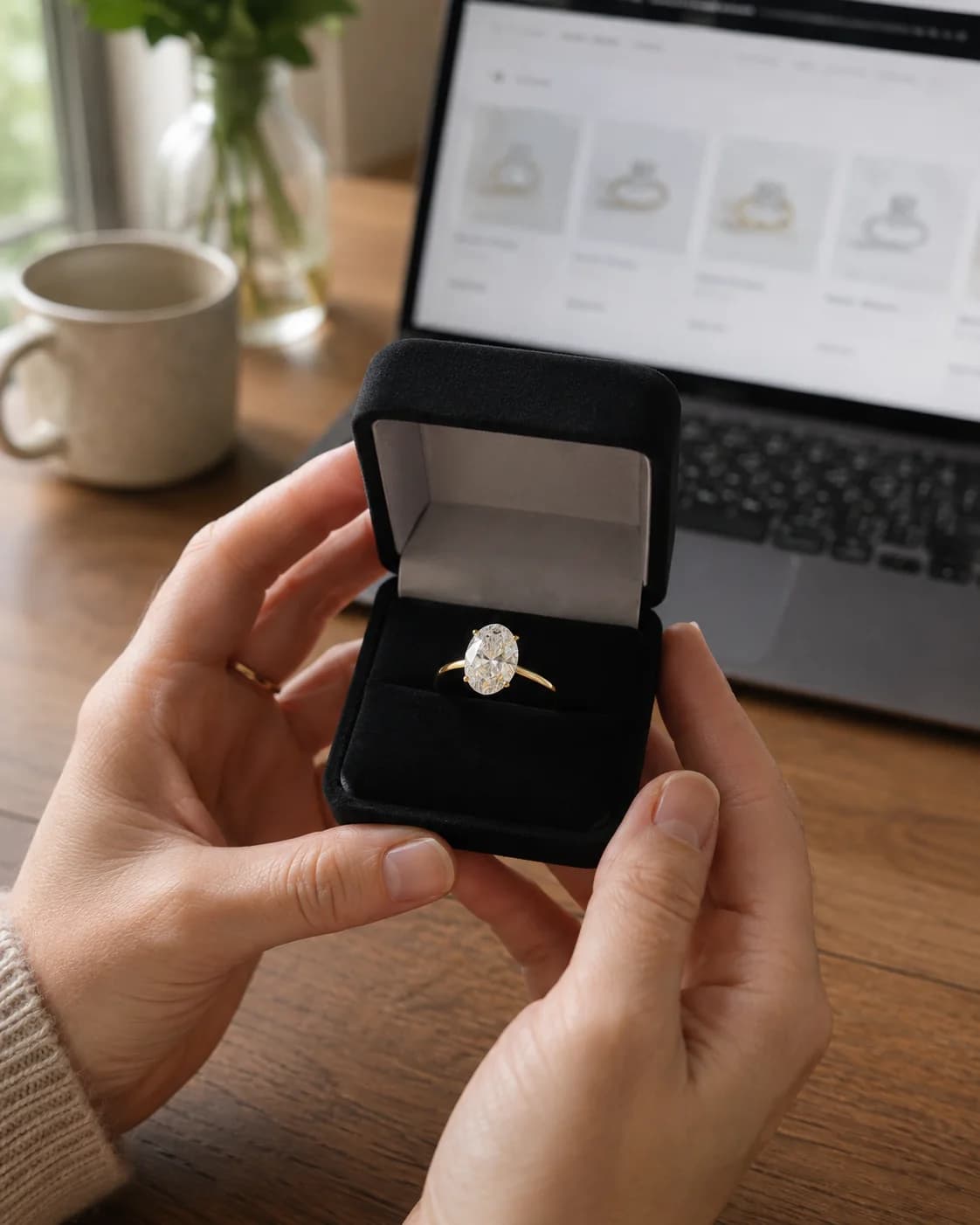
Buying an engagement ring online can feel overwhelming, especially when it's one of the most meaningful purchases you'll ever make. From choosing the right diamond shape and understanding the 4Cs to selecting the perfect metal, setting, and ring size, every decision matters. This guide walks you through each step of the buying process, helping you shop confidently, avoid common mistakes, and choose a certified lab-grown diamond engagement ring that perfectly matches your style, budget, and lifestyle.
Read article
Engagement season runs from Thanksgiving to Valentine's Day. See the most popular month and days to get engaged, and how to plan your ring in good time.
Read article