


Style & Trends
What Finger Does a Promise Ring Go On?
A promise ring can go on any finger, but most people choose the left or right ring finger. See what each placement means and how to decide which suits you.
Read articleStyle & Trends
A promise ring is a symbol of commitment before engagement. Learn what it means, who gives one, when to give it and how it differs from an engagement ring.
Nov 4, 2026 · 5 min read · House of Diams
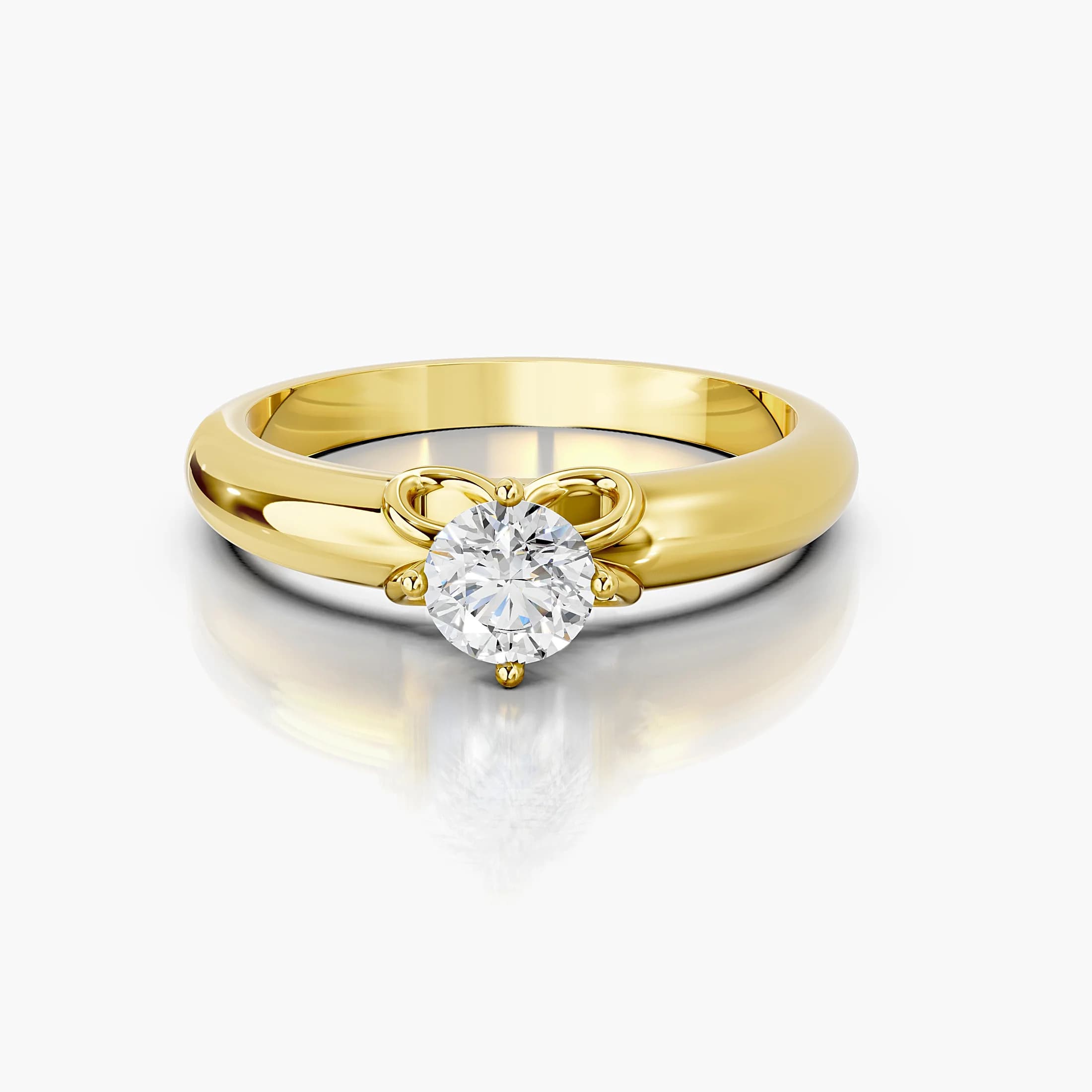
A promise ring is a ring given as a sign of commitment, without being a formal promise to marry. It usually says "I'm serious about us" or marks a personal vow. Most promise rings are simpler than engagement rings: a slim band, a small diamond or a meaningful engraving.
There's no single rule for what one means, who gives it or what it should cost. The meaning belongs to the two people involved, so it helps to say it out loud when you give it.
Most promise rings mean one of these things:
A step before engagement. A couple who aren't ready to get engaged, because of age, studies, distance or money, exchange a ring to show they intend to stay together.
Faithfulness. The ring stands for a commitment to each other, with no wedding date attached.
A personal vow. Some people buy one for themselves to mark a goal, a recovery or a fresh start.
Family or friendship. A parent may give one to a child, and close friends may wear matching rings to mark a bond.
A pledge of values. In some communities, a promise ring marks a pledge such as abstinence or sobriety.
Giving rings as a sign of love and loyalty is an old custom. In England from around the 1500s, couples exchanged posy rings engraved with short verses, and the modern promise ring carries on that idea.
From a boyfriend or girlfriend, a promise ring most often means "I see a future with you, but I'm not proposing yet." It doesn't always mean an engagement is coming, and that's where misunderstandings start.
If you're giving one, say what you mean by it. If you've received one, it's fine to ask. A short, honest conversation matters more than the ring.
Anyone can. A partner gives one to the other most often, but plenty of couples exchange rings so that both wear a reminder. There's no rule about gender, age or how long you've been together. Many people simply wait until the relationship feels steady enough for the gesture to mean something.
What it promises. An engagement ring is a formal promise to marry. A promise ring is a softer commitment with no wedding planned.
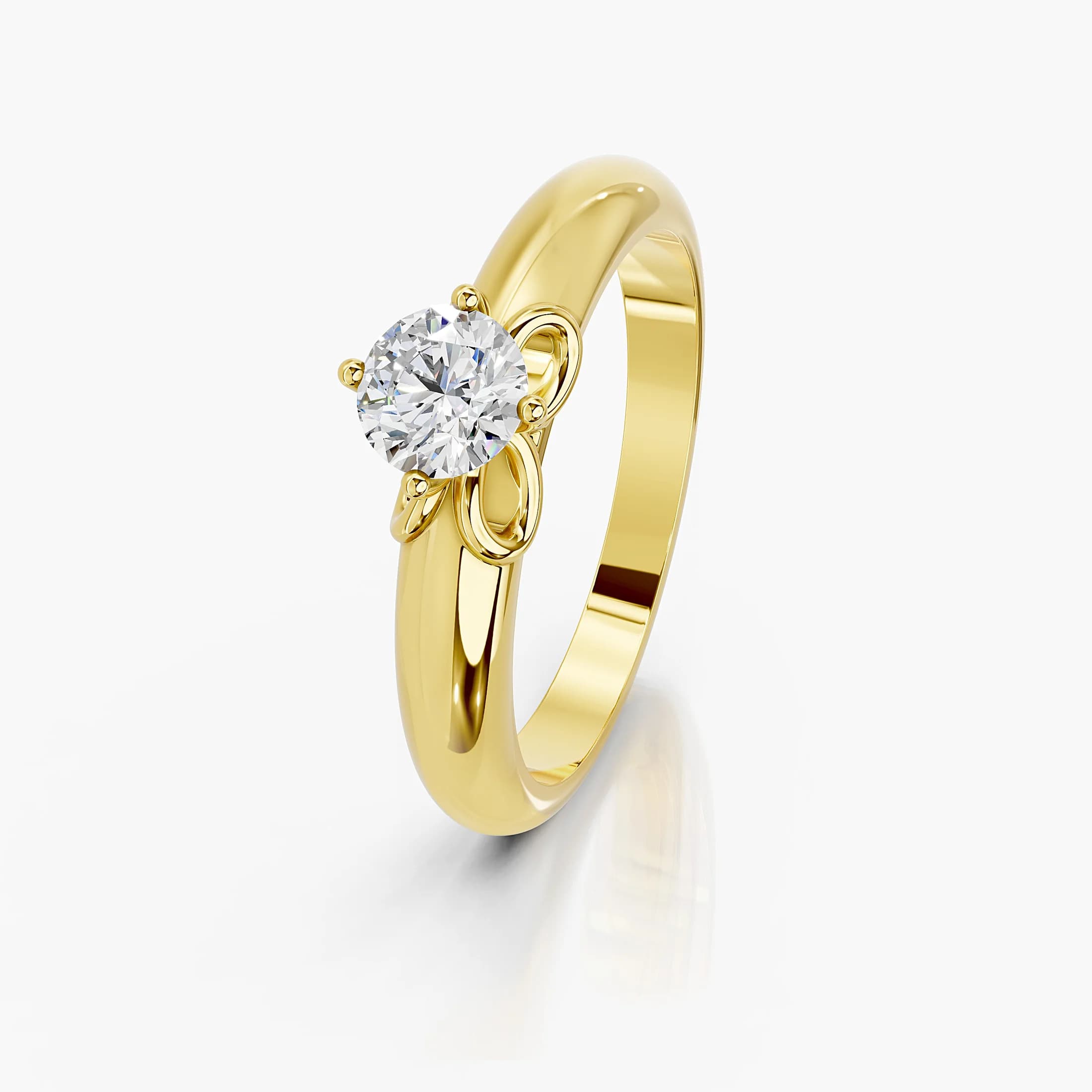
Design. Engagement rings usually have a prominent center diamond. Promise rings tend to be slimmer and quieter, often a small diamond or a plain band with a few stones.
Cost. Promise rings are usually a smaller purchase, though there's no rule either way.
Finger. An engagement ring traditionally goes on the left ring finger. A promise ring can go on any finger, which is why we cover the options in what finger a promise ring goes on.
What comes next. A promise ring can lead to an engagement ring, but it doesn't have to. Some people keep wearing it after they marry.
If you're thinking further ahead, our guide to the difference between an engagement ring and a wedding ring explains the next two rings.
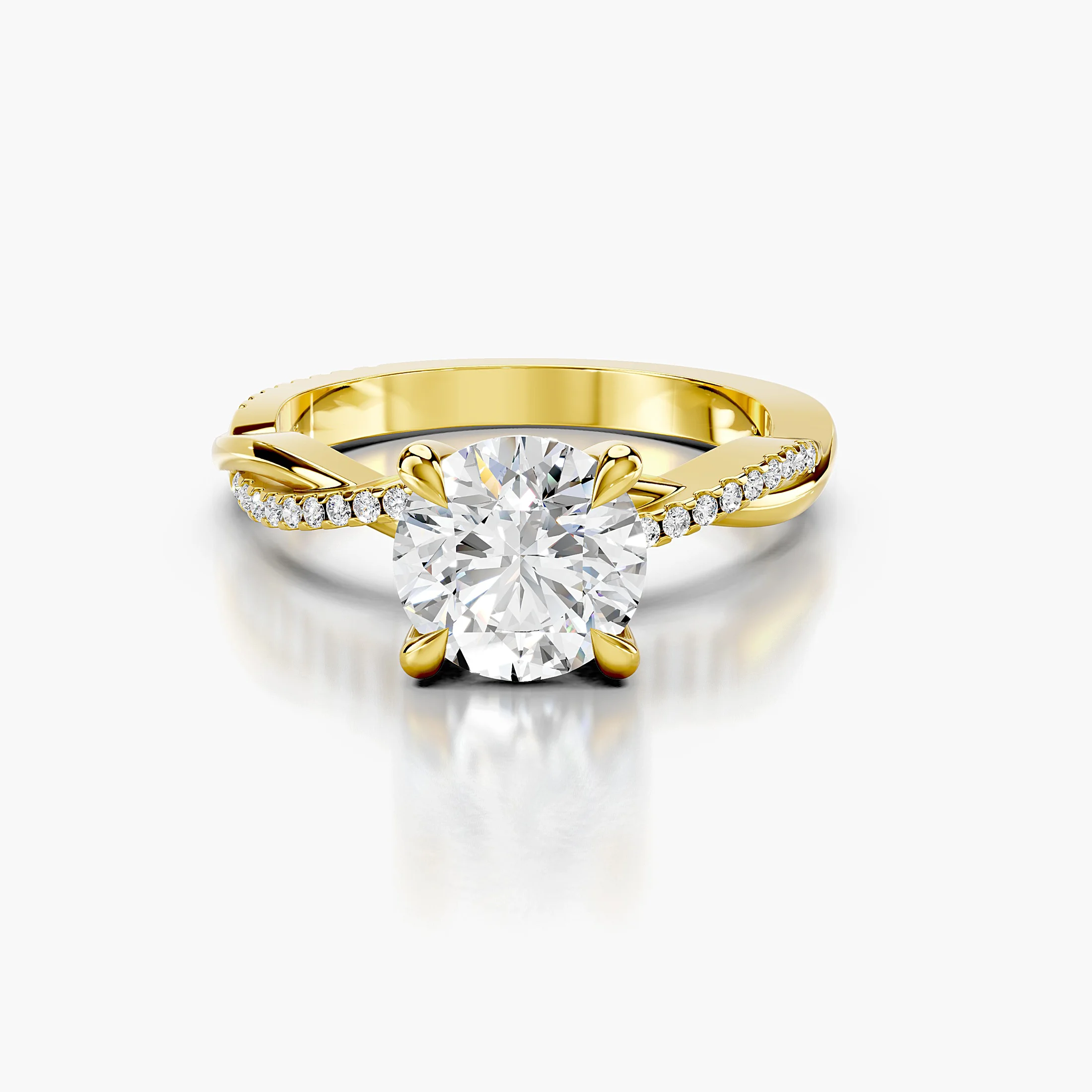
There's no set design, which is part of the appeal. These styles are the most common:
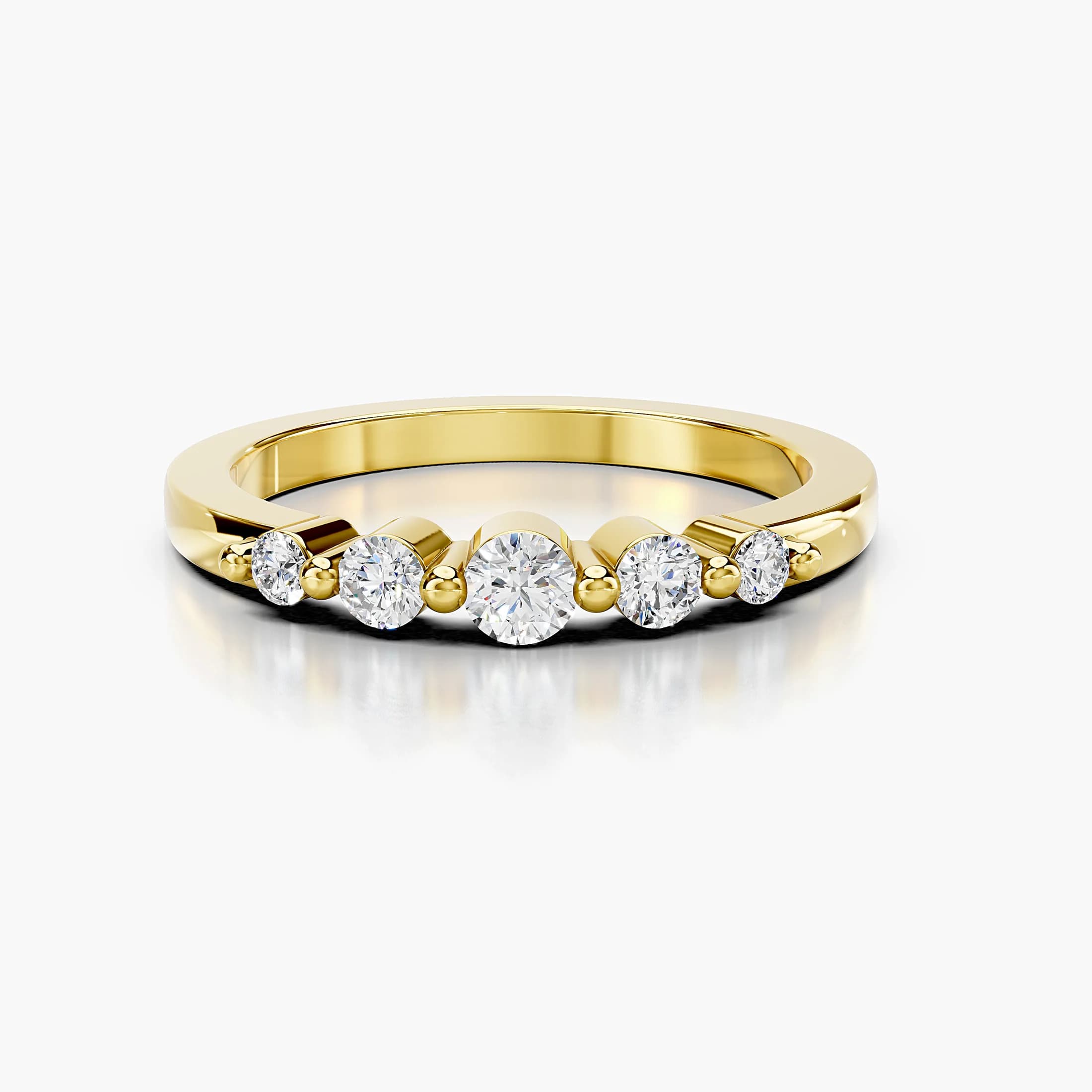
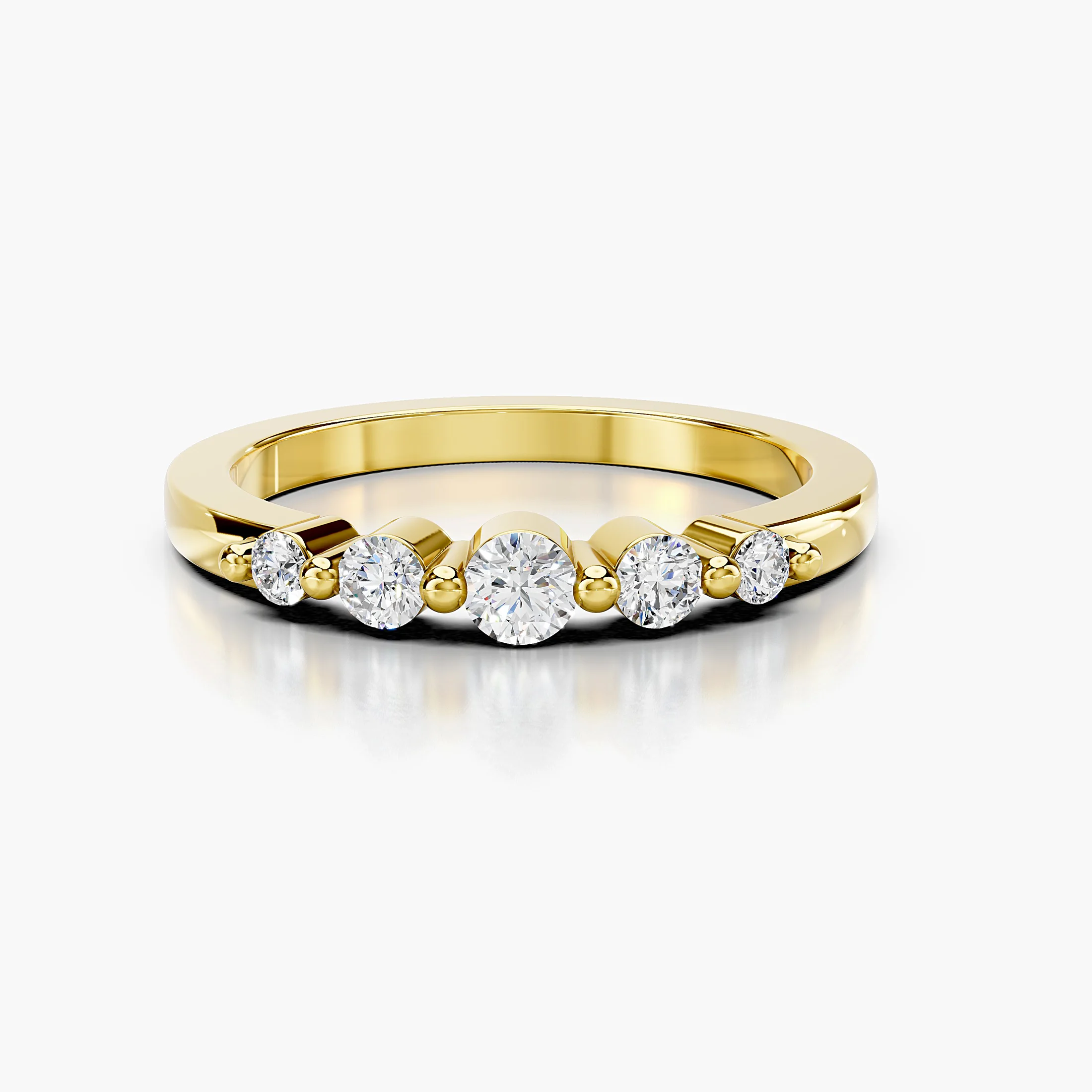
A slim band with small diamonds. Easy to wear every day and easy to stack later.
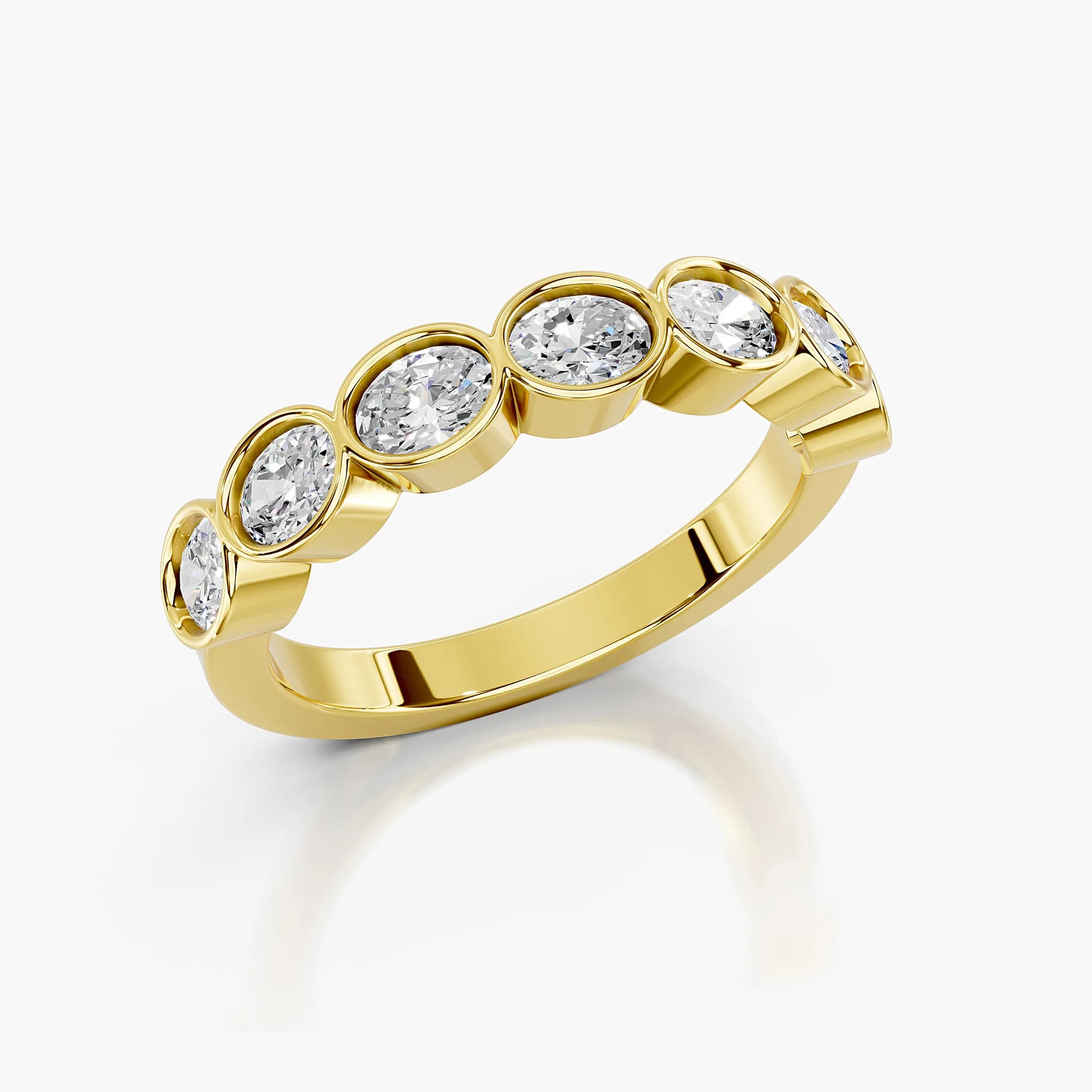
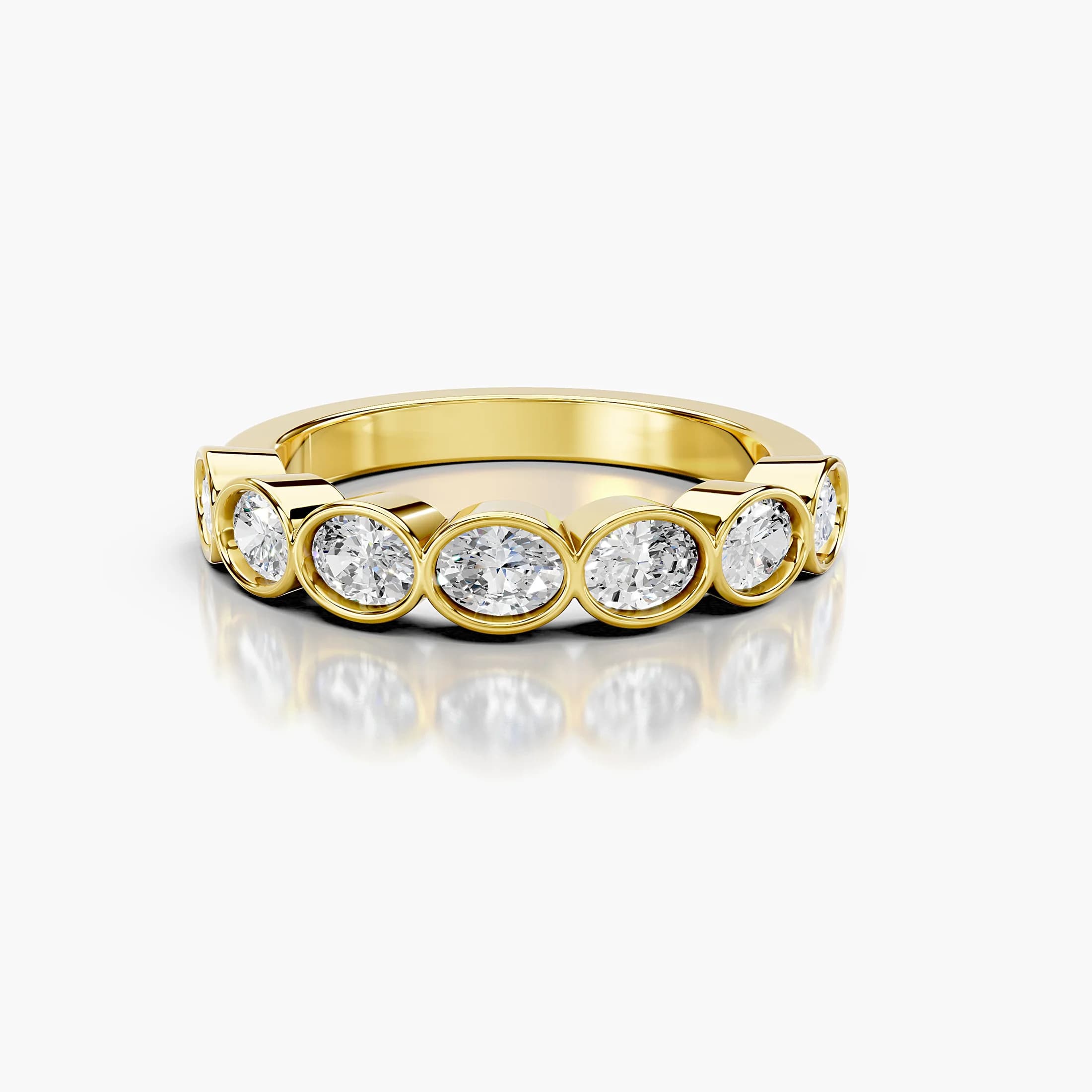
A half-eternity band. A row of diamonds across the top of the finger, with a clean, simple look.
A small solitaire. One modest diamond. It's the closest in look to an engagement ring, so make sure you both know what it means.
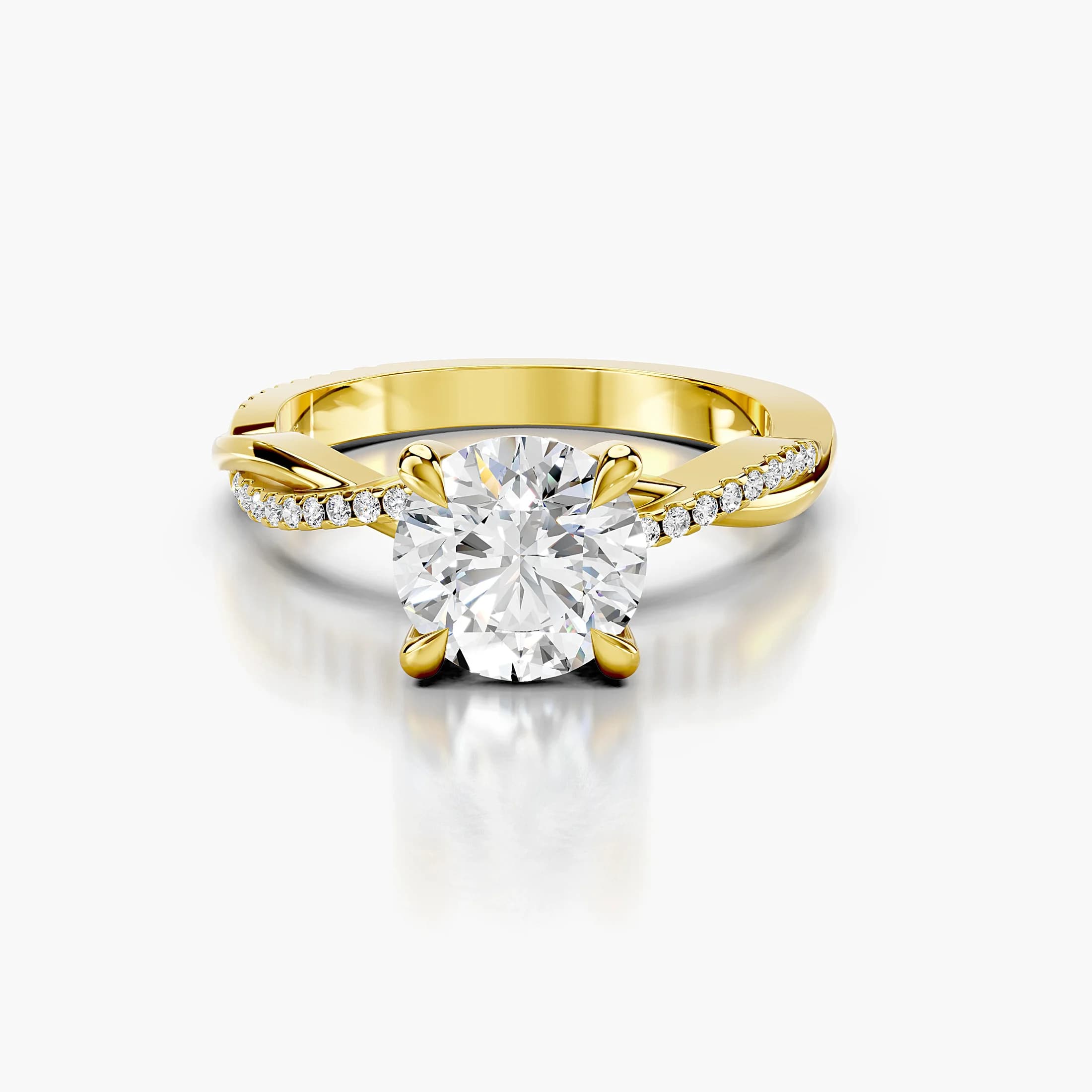
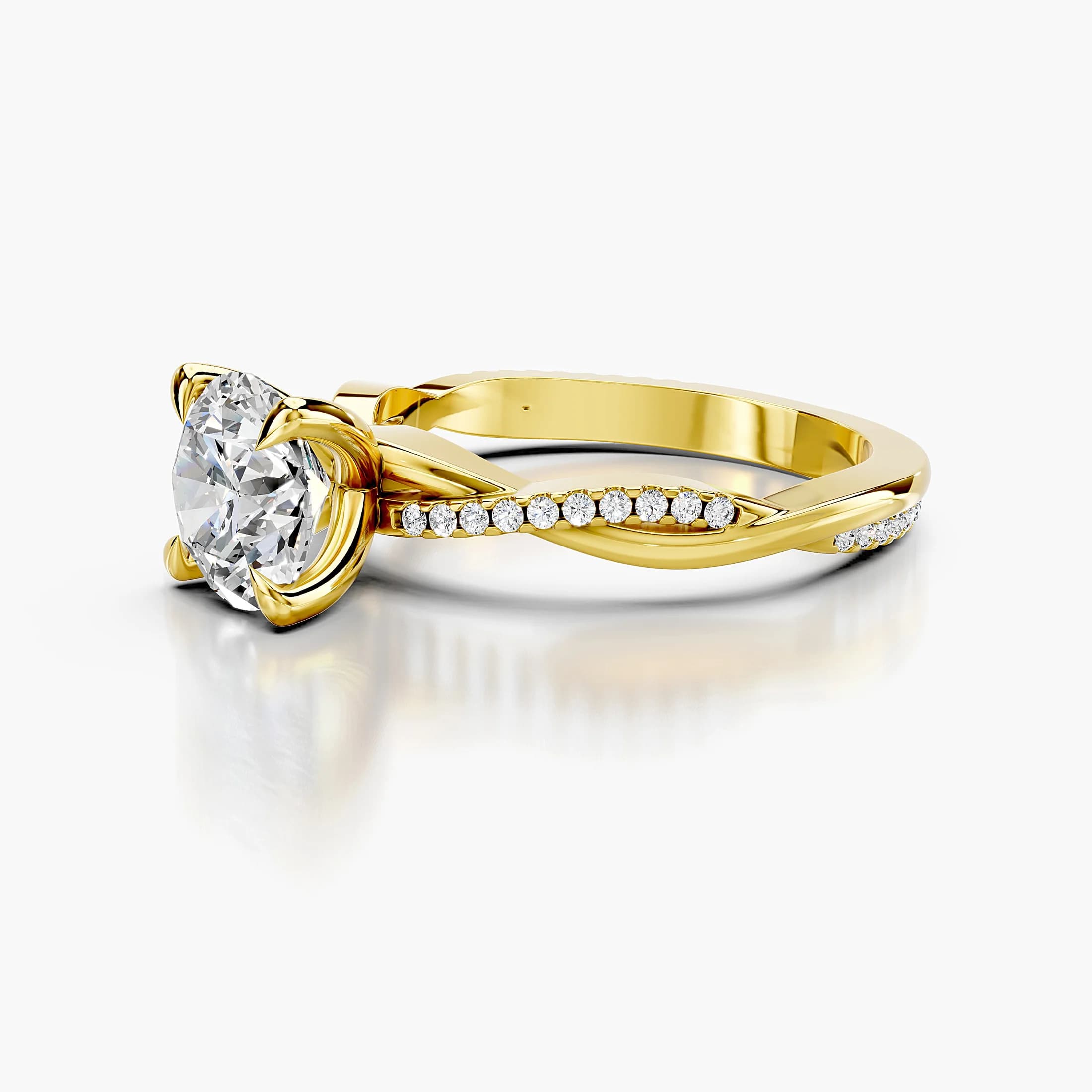
A twist or vine band. A softer, more decorative shape that reads as jewelry rather than a proposal.
Look at what they wear now. Note the metal color, and whether they prefer thin or bold pieces, plain or sparkling.
Keep it wearable. A promise ring is meant to be worn daily, so a low profile that won't catch on clothing is a safe choice.
Add meaning if you can. A shared date or a few words engraved inside make a simple ring personal.
Get the size right. Our ring size guide shows how to measure at home, including quiet ways to do it. Check the finger it'll be worn on, because sizes differ between fingers.
Set a budget you're comfortable with. Nothing about a promise requires a large price tag.
There's no standard amount. Spend what feels right for where you are. Most people spend less than they would on an engagement ring, and a smaller diamond on a well-made band is a sensible way to do it.
It can. Some couples keep the ring and add a proposal later. Others buy a separate engagement ring and move the promise ring to the right hand or a chain.
Yes. A ring that marks a promise to yourself is just as valid as one from a partner.
No. A plain band or another stone works just as well. Diamonds are popular because they're hard enough for daily wear.
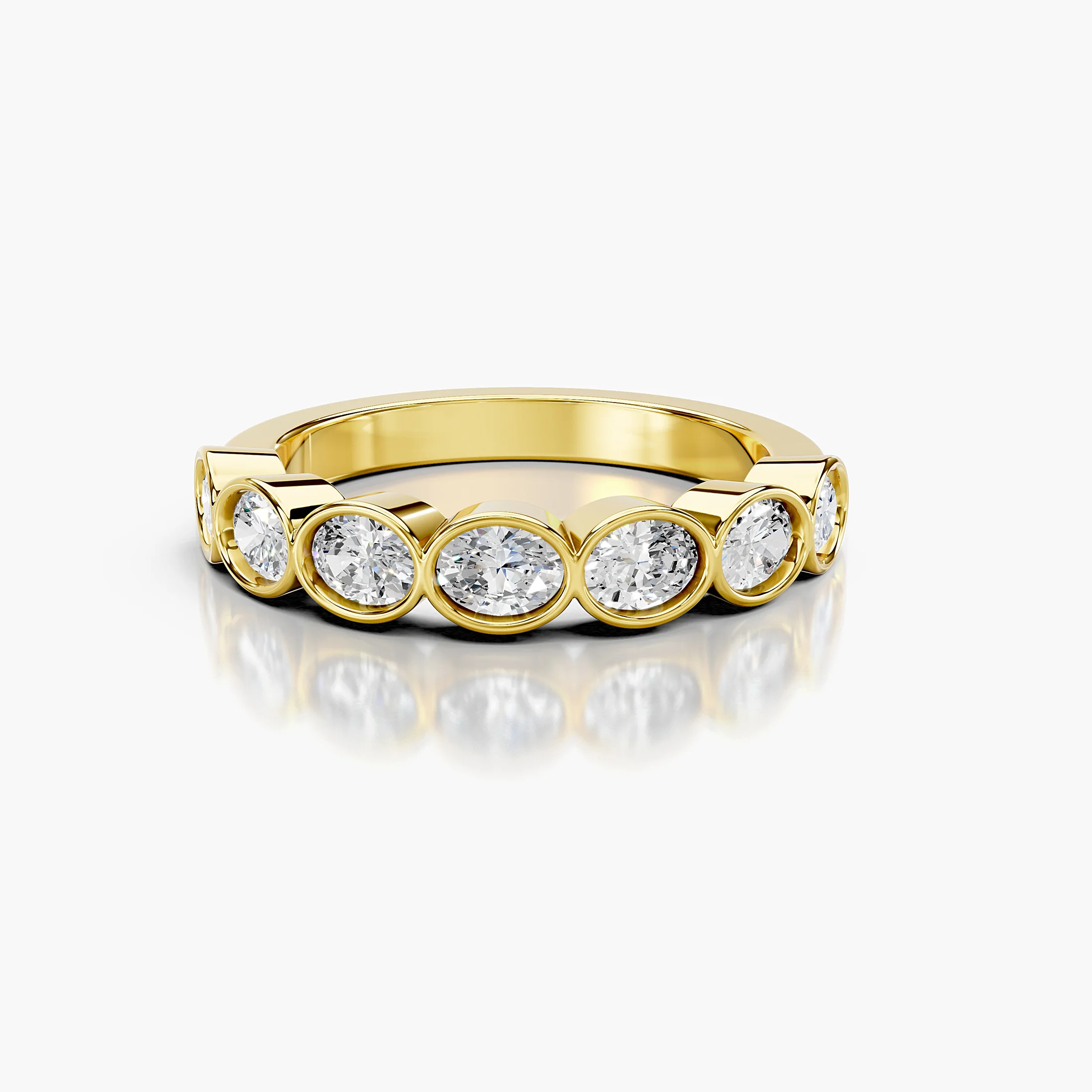
When you're ready to look, start with our fine jewelry and diamond bands, both of which suit everyday wear. If you and your partner are closer to a proposal, see our engagement rings. For a ring designed around a date, a stone or a story, ask about bespoke jewelry.
A promise ring can go on any finger, but most people choose the left or right ring finger. See what each placement means and how to decide which suits you.
Read article
The best time to buy an engagement ring is two to three months before you propose. See how Black Friday compares and how to check that a discount is real.
Read article
See what couples spend on engagement rings, why the old salary rules don't matter and how to set a budget that suits you, with practical ways to save.
Read article